🥛 Milk Powder: The Ultimate Guide to Benefits, Uses, Types & Nutrition (2026)
Primary Keyword: Milk Powder
LSI Keywords: powdered milk, dry milk powder, whole milk powder, skimmed milk powder, nonfat dry milk, milk powder benefits, milk powder uses, reconstituted milk, spray-dried milk, milk powder for baking
🌟 What Is Milk Powder? (And Why It’s More Than Just a Pantry Backup)
Picture this: you’re halfway through baking your favorite banana bread when you realize you’ve run out of fresh milk. Before the panic sets in — that’s exactly where milk powder saves the day.
But milk powder is so much more than an emergency substitute. It’s a global pantry staple that has been feeding families for over a century, nourishing babies, fueling athletes, and making professional bakers’ recipes richer and creamier.
Simply put, milk powder (also called powdered milk or dry milk) is regular liquid milk that has been pasteurized and then dehydrated — typically through a process called spray drying — until almost all the moisture is removed. What’s left is a fine, shelf-stable powder that retains most of the original milk’s nutritional profile.
The result? A product that doesn’t need refrigeration before opening, has a shelf life of up to 2–3 years when sealed, and can be reconstituted into liquid milk by simply adding water.
Whether you’re a home cook, a fitness enthusiast, a parent choosing formula, or just someone trying to reduce food waste, milk powder deserves a permanent spot in your kitchen.
🏭 How Is Milk Powder Made?
The manufacturing process is both elegant and precise.
Fresh liquid milk first undergoes pasteurization to eliminate harmful bacteria. It’s then concentrated through evaporation to reduce water content. Finally — and most commonly — it’s passed through a spray dryer, where hot air rapidly evaporates the remaining moisture, leaving behind fine powder particles.
Some manufacturers use a second process called roller drying (or drum drying), which produces a slightly different texture and is mainly used for animal feed and industrial applications.
The spray-drying method is preferred for human consumption because it preserves more of the milk’s original flavor, nutrients, and solubility. That’s why when you mix good-quality milk powder with water, you often can’t tell it apart from fresh milk.
🧪 Types of Milk Powder: What’s the Difference?
Not all milk powder is the same. Here’s a quick breakdown of the main types you’ll find:
🥛 Whole Milk Powder (WMP)
This is full-fat powdered milk. It has a richer taste, higher calorie content, and is great for cooking, baking, and preparing drinks. One cup of whole milk powder mixed with water gives you the creamy goodness of full-fat fresh milk.
🍶 Skimmed Milk Powder (SMP) / Nonfat Dry Milk
The fat has been removed, making this the go-to option for people watching their caloric intake. It still packs all the protein and calcium benefits of whole milk — just without the fat. It’s widely used in yogurt, cheese, bakery products, and processed foods. Source
🐐 Goat Milk Powder
A popular alternative for people with cow’s milk sensitivities. Goat milk powder is easier to digest for many people and has a slightly tangy, distinctive flavor.
🌾 Oat Milk Powder
A dairy-free option for vegans and those with lactose intolerance. It’s made from whole oats and offers a subtly sweet, neutral flavor.
🧈 Buttermilk Powder
Perfect for baking! It adds a tender crumb and tangy flavor to pancakes, muffins, and biscuits without you needing actual buttermilk on hand.
🍦 Heavy Cream Powder
Rich, indulgent, and perfect for sauces, soups, and desserts where you want extra creaminess without extra liquid.
💪 Top Health Benefits of Milk Powder
🦴 1. Builds and Protects Bone Strength
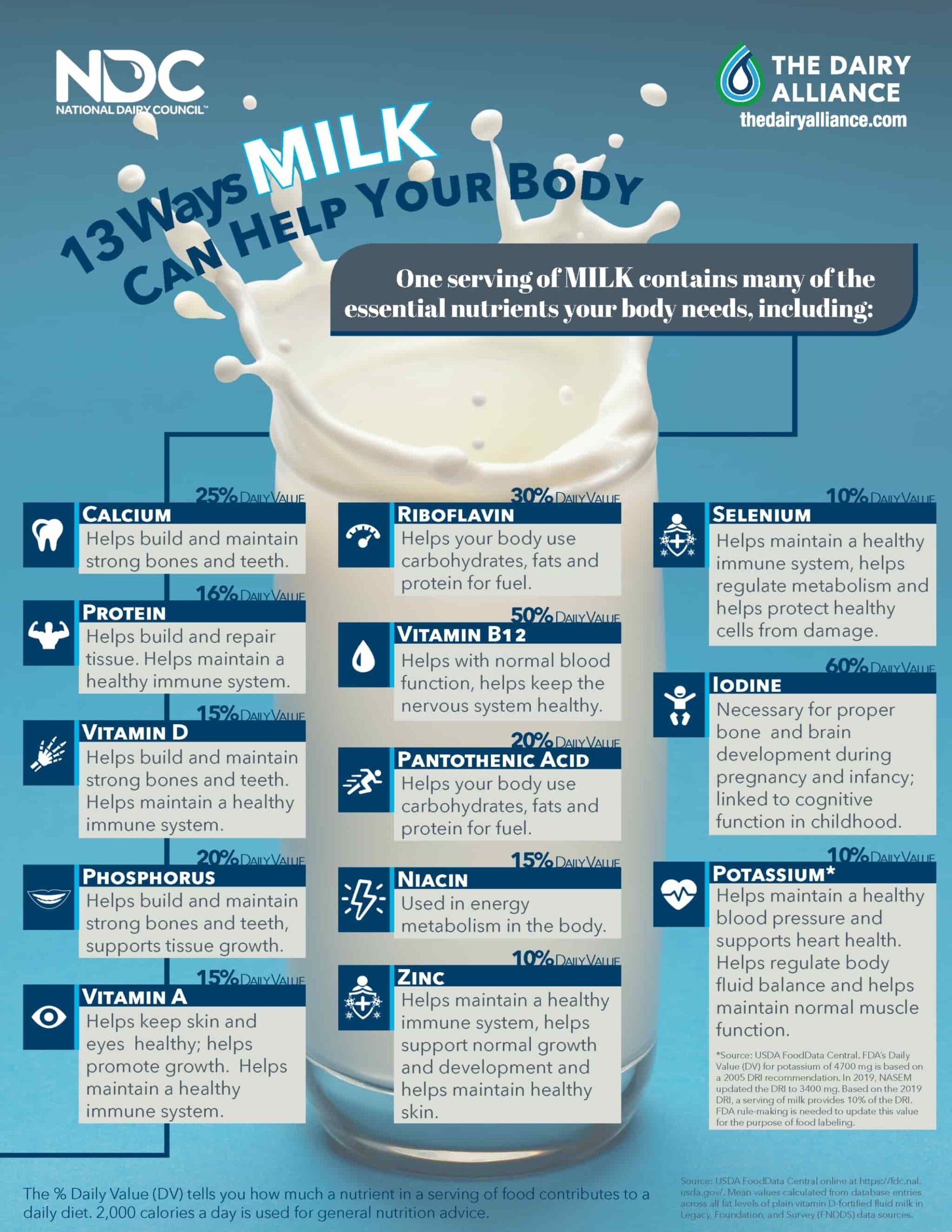
This is where milk powder truly shines. It’s loaded with calcium, phosphorus, and magnesium — the trio your bones desperately need.
According to the U.S. Dairy Export Council, just 100 grams of skimmed milk powder contains approximately 1,300 mg of calcium — that’s the entire daily recommendation for adults over 50. Many brands are also fortified with Vitamin D, which significantly improves calcium absorption. Source
❤️ 2. Supports Heart Health
Surprised? You shouldn’t be. Low-fat or nonfat milk powder contains potassium and magnesium, which are well-studied for their role in lowering blood pressure. Fat-free dry milk contains just 0.2 grams of fat per serving, making it a genuinely heart-friendly dairy option.
💪 3. A Powerful Protein Source
Milk powder is rich in high-quality whey and casein proteins — the same proteins found in protein shakes and muscle-recovery formulas. These proteins contain all essential amino acids your body needs for muscle repair, immune function, and enzyme production.
⚖️ 4. Helps with Weight Management
Both ways — whether you’re trying to lose or gain weight, milk powder can help. For those needing to add healthy calories, mixing it into yogurt, oatmeal, or smoothies adds nutrients without bulk. For weight loss, nonfat versions provide satiety-boosting protein with minimal fat.
🧠 5. Supports Brain and Nervous System Health
The B vitamins in milk powder — particularly B12, riboflavin, and B5 — are essential for brain function, nerve health, and energy metabolism. If you’re not eating meat, milk powder can be a valuable source of dietary B12.
🌿 6. Reduces Food Waste
Fresh milk spoils within 7–10 days. A sealed bag of quality milk powder? It can last up to 2–3 years when stored properly in a cool, dry place. That’s a massive win for sustainability and household budgets.
🍳 Milk Powder in Cooking & Baking: The Secret Ingredient You’ve Been Missing
Professional bakers have known this for decades — milk powder makes everything better.
Here’s why:
When you add milk powder directly to dough or batter (without reconstituting it first), it acts as a dry flavor booster. It adds a subtle richness, deepens color through the Maillard reaction, and improves the texture of breads, cookies, and cakes.
Top culinary uses of milk powder:
🥐 Bread & rolls — adds softness and a richer crust color
🍪 Cookies & muffins — enhances dairy flavor without extra liquid
🍦 Ice cream — makes it creamier by reducing ice crystal formation
🥛 Hot chocolate mix — a key ingredient for creamy, indulgent results
🥣 Smoothies & shakes — boosts protein and creaminess
🥘 Soups & sauces — thickens and enriches without being watery
🧁 Puddings & custards — provides a silkier, more consistent texture
☕ Coffee creamer substitute — works beautifully as a quick alternative
📊 Milk Powder vs. Fresh Milk: Which One Wins?
This is the question everyone asks. The honest answer: it depends on your needs.
| Feature | Fresh Milk 🥛 | Milk Powder 🧴 |
|---|---|---|
| Shelf Life | 7–10 days | Up to 3 years |
| Refrigeration | Required | Not required (before opening) |
| Calcium Content | Good | Excellent (more concentrated) |
| Vitamin B12 | Higher | Slightly lower |
| Vitamin B5 | Higher | Slightly lower |
| Convenience | Limited | High |
| Cost | Moderate | More economical |
| Food Waste | Common issue | Minimal |
| Taste | Superior (fresh) | Very close when reconstituted well |
Fresh milk does win on flavor and a few heat-sensitive vitamins like B5 and B12. However, the core nutrition — protein, calcium, potassium — is very well preserved in good quality milk powder. Source
For everyday cooking, baking, and travel — milk powder is the practical winner.
🗄️ How to Store Milk Powder Properly
Getting the storage right means your milk powder will last much longer and taste much better.
✅ For unopened milk powder:
Store in a cool, dry place away from direct sunlight. Properly sealed and stored, it lasts 2–3 years.
✅ For opened milk powder:
Transfer to an airtight container. Use within 90 days for best flavor, though it remains safe for up to a year. Do NOT refrigerate or freeze dairy powder — moisture is the enemy.
✅ For reconstituted (liquid) milk:
Store in a sealed container in the refrigerator and use within 3–5 days, just like fresh milk.
👶 Milk Powder for Babies, Kids & Adults
For Babies
Infant formula — which uses processed milk powder as its base — has been a life-saving tool for babies who cannot be breastfed. Always use formula specifically designed for infants, as adult milk powder doesn’t have the right nutritional balance for newborns.
For Growing Kids
Children’s fortified milk powder is enriched with iron, zinc, DHA, and key vitamins that support brain development and immune function. It’s especially useful in regions where fresh dairy isn’t always accessible.
For Adults & Seniors
Whole or skimmed milk powder is excellent for maintaining muscle mass, bone density, and metabolic health in adults. Seniors particularly benefit from the high calcium content for osteoporosis prevention.
For Athletes & Fitness Enthusiasts
Milk powder — especially whole milk powder — is an affordable, natural protein supplement. Add it to your post-workout shake for a dose of whey and casein protein that rivals many expensive supplements.
🌍 The Global Role of Milk Powder
Milk powder isn’t just a kitchen convenience item. It plays a massive role in global food security.
Because it’s shelf-stable and easy to transport, milk powder has been critical in disaster relief operations, remote communities, and developing nations where refrigeration isn’t always available. It’s used in school nutrition programs, hospital care, and emergency food rations worldwide.
The global milk powder market continues to grow in 2025, driven by rising awareness of dairy nutrition and demand for convenient, affordable protein sources. Source
Bonus: Milk Powder for Skincare?
Here’s something that might surprise you. Milk powder contains lactic acid, a naturally occurring AHA (alpha hydroxy acid) that gently exfoliates and brightens skin.
People have been using milk baths since Cleopatra’s era — and with good reason!
Simple milk powder beauty uses:
🛁 Add ⅔ cup to bathwater for a skin-softening soak
😊 Mix with honey for a brightening face mask
🧼 Use as a base ingredient in homemade soap and bath bombs
🏪 How to Choose the Right Milk Powder
Walking down the dairy aisle (or scrolling online) can be overwhelming. Here’s what to look for:
🔍 Check the ingredient list — Quality milk powder should have one ingredient: milk. Avoid brands loaded with additives, preservatives, or corn syrup solids unless specifically needed.
📌 Choose the right fat level — Whole milk powder for richness and baking; nonfat/skimmed for lower-calorie use.
🌱 Look for fortification — Vitamin D, calcium, and sometimes B12 fortification adds extra nutritional value.
✅ Check the spray-drying process — Spray-dried is preferable to roller-dried for flavor and solubility.
🌿 Organic options — Available in most health stores for those who prefer grass-fed, hormone-free dairy.
🧑🍳 Quick How-To: How to Reconstitute Milk Powder
For 1 cup of milk:
- Add 4 tablespoons of milk powder to 1 cup of water
- Stir or blend until fully dissolved
- Refrigerate for 30 minutes before drinking for best taste
- Use a blender for extra creaminess
Pro tip: Mix powdered milk with warm water first, then add cold water to reach the desired temperature. This reduces clumping and gives you a smoother texture.
✅ Final Thoughts: Is Milk Powder Worth It?
Absolutely. Milk powder is one of those kitchen heroes that doesn’t get nearly enough credit.
It’s affordable, nutritious, versatile, and incredibly practical. Whether you’re using it in your morning smoothie, baking a batch of cookies, preparing an infant’s feed, or packing light for a camping trip — milk powder delivers consistent, reliable nutrition without the limitations of fresh dairy.
In a world where convenience and health often feel like they’re at odds, milk powder manages to be both. That’s a rare and genuinely valuable thing.
So next time you walk past that can or bag of powdered milk at the store — grab it. Your pantry (and your body) will thank you.
❓ 10 Frequently Asked Questions About Milk Powder
❓ FAQ 1: Is milk powder as nutritious as fresh milk?
Yes, in most meaningful ways — milk powder is extremely close in nutritional value to fresh milk. The core nutrients that make milk valuable — calcium, phosphorus, protein, potassium, and many vitamins — are well-preserved during the spray-drying process.
Where fresh milk has a slight edge is in certain heat-sensitive vitamins like Vitamin B12, B5 (pantothenic acid), and some bioactive components that are partially reduced during heat processing. However, for everyday nutritional needs, this difference is small.
In terms of calcium, milk powder can actually be more concentrated than fresh milk. According to the U.S. Dairy Export Council, 100 grams of skimmed milk powder contains approximately 1,300 mg of calcium — the full daily recommendation for most adults over 50.
Many high-quality milk powder brands also fortify their products with additional Vitamin D, B12, and other nutrients to compensate for any processing losses. So for the vast majority of people, milk powder is a fully adequate nutritional substitute for fresh milk — especially when used in cooking, baking, or as part of a balanced diet. Source
❓ FAQ 2: What is the shelf life of milk powder?
Milk powder has an impressive shelf life that far surpasses fresh dairy products. When stored correctly, here’s what you can expect:
- Unopened, sealed whole milk powder: 2–3 years in a cool, dry location
- Unopened, sealed nonfat/skimmed milk powder: Up to 3–5 years (fat-free versions last longer because fat is more susceptible to oxidation and rancidity)
- Opened milk powder: Use within 90 days for optimal quality; safe for up to 1 year if kept sealed and dry
- Reconstituted liquid milk (mixed from powder): Treat like fresh milk — refrigerate and use within 3–5 days
The key enemies of milk powder shelf life are moisture, heat, and light. Never store it in the refrigerator (condensation causes clumping and spoilage) or near stoves, windows, or humid areas. Use a fully airtight container and keep it in a pantry or cupboard.
In ideal conditions — cool, dark, and with oxygen absorbers — some commercial milk powder is stored for even longer periods and is a key component of emergency food preparedness kits. This long shelf life is one of milk powder’s most practical advantages. Source
❓ FAQ 3: How do you use milk powder in baking?
Milk powder is one of the most underrated baking ingredients, and professional bakers have been quietly using it for decades. The great thing is — you don’t always have to reconstitute it first.
When added dry directly to your flour mixture, milk powder acts as a flavor enhancer and texture improver. It deepens the Maillard reaction (the browning process), giving your bread, rolls, and cookies a richer golden-brown color and a more complex dairy flavor.
Here’s how to substitute milk powder in common baking scenarios:
- To replace 1 cup of liquid milk: Mix 3–4 tablespoons of milk powder with 1 cup of warm water, stir until dissolved, then use as directed in your recipe.
- For dry incorporation in bread dough: Simply add 2–3 tablespoons of milk powder to your dry ingredients. No extra water needed unless your recipe specifically calls for it.
- For richer cookies and muffins: Add 2–3 tablespoons of milk powder to the dry ingredients without increasing liquid. This intensifies the dairy flavor and adds a wonderfully tender crumb.
- For thickening puddings and custards: Whisk in 1–2 tablespoons for a silkier, more stable consistency.
Professional bakers prefer milk powder for large-scale production because it allows precise water control and eliminates the unpredictability of fresh milk’s varying fat and protein content. The results are more consistent every single time. Source
❓ FAQ 4: What are the different types of milk powder?
There’s a wider variety of milk powders available than most people realize. The main categories are:
🥛 Whole Milk Powder (WMP): Contains all the original fat (at least 26%). It’s the richest, creamiest option — best for drinking, making hot chocolate, and baking recipes that benefit from full-fat dairy flavor.
🍶 Skimmed Milk Powder (SMP) / Nonfat Dry Milk: Fat has been removed (typically less than 1.5%). Higher protein-to-calorie ratio. Widely used in yogurt, processed cheese, bakery items, and beverages. It’s the most common type in industrial food manufacturing.
🐐 Goat Milk Powder: Made from goat’s milk. It has smaller fat globules and a different protein structure, making it easier to digest for people sensitive to cow’s milk proteins. Has a distinct, slightly tangy flavor.
🌾 Oat Milk Powder / Plant-Based Milk Powders: Non-dairy alternatives for vegans and lactose-intolerant individuals. Also includes soy milk powder, coconut milk powder, and almond milk powder.
🧈 Buttermilk Powder: Retains the tangy culture of buttermilk. Essential for tender, flavorful pancakes, biscuits, cakes, and fried chicken batters.
🍦 Heavy Cream Powder / Full Cream Powder: High-fat content. Used for rich sauces, soups, coffee creamers, and confectionery.
🍼 Infant Formula Powder: A specially formulated milk powder for newborns and babies, with adjusted nutrient ratios to mimic breast milk as closely as possible. Source
❓ FAQ 5: Can lactose-intolerant people consume milk powder?
Standard cow’s milk powder does contain lactose, so regular whole or skimmed milk powder is generally not suitable for people with lactose intolerance in typical quantities.
However, there are several excellent options for those avoiding lactose:
1. Lactose-free milk powder: Several brands now produce cow’s milk powder where the lactose has been pre-digested using lactase enzymes. These products provide all the calcium and protein of regular milk powder without the digestive discomfort.
2. Goat milk powder: Some people with lactose sensitivity tolerate goat milk better than cow’s milk because it has slightly less lactose and a different fat and protein composition that may be easier to digest. Results vary by individual.
3. Plant-based milk powders: Oat milk powder, soy milk powder, almond milk powder, and coconut milk powder are completely lactose-free. They’re ideal for vegans and those with dairy allergies or intolerances.
4. Using small amounts: Some lactose-intolerant individuals can handle small quantities of milk powder in cooking or baking without symptoms, especially when the food is consumed alongside other foods.
If you’re lactose intolerant and want to enjoy the benefits of dairy nutrition, speak with a dietitian who can help you find the right option. Don’t assume all milk powders are off-limits — there are great alternatives available today.
❓ FAQ 6: Is milk powder good for weight loss?
The answer depends on which type of milk powder you choose and how you use it. Milk powder is not inherently a weight-loss food, but it can absolutely be part of a healthy, calorie-conscious diet.
Nonfat/skimmed milk powder is particularly well-suited for weight management because it is:
- High in protein (which promotes satiety and reduces hunger)
- Low in fat (fat-free dry milk has just 0.2g of fat per serving)
- Rich in calcium, which some research links to healthy metabolic function
- Relatively low in calories compared to whole milk powder
Protein is arguably the most important macronutrient for weight management. High-protein diets are consistently shown to reduce appetite, boost metabolism, and preserve lean muscle mass during weight loss. Since milk powder is a high-quality complete protein source, it fits naturally into many weight-loss plans.
On the other hand, if you’re adding whole milk powder to everything or drinking large quantities of reconstituted whole milk, the extra calories and fat can add up. Moderation and type selection are key.
The smartest approach: use nonfat milk powder as a protein booster in smoothies, oatmeal, and yogurt — and make sure your overall diet is balanced. Milk powder can be a valuable ally in weight management when used thoughtfully. Source
❓ FAQ 7: How do you properly reconstitute milk powder?
Reconstituting milk powder is simple, but doing it well makes a noticeable difference in taste and texture. Here’s the step-by-step guide:
Basic Method:
- Start with warm or room-temperature water (not boiling — excessive heat can affect flavor)
- Add approximately 4 tablespoons (¼ cup) of milk powder per 1 cup of water
- Stir vigorously for 30–60 seconds, or use a whisk
- For a smoother result, blend in a blender for 15–30 seconds
- Refrigerate for at least 30 minutes before drinking — chilled reconstituted milk tastes significantly better than room-temperature versions
Pro Tips:
- Use a blender or milk frother for the smoothest, creamiest texture with no lumps
- Add the powder to water (not the other way around) to prevent clumping
- For oat milk powder, blend and then chill overnight for the best consistency
- For whole milk powder, let the mixture sit in the fridge for several hours before using in recipes for optimal creaminess
Reconstituted milk lasts 3–5 days refrigerated in a sealed container — same as fresh milk. Source
❓ FAQ 8: Can you use milk powder for infant feeding?
Milk powder and infant formula are related but fundamentally different products, and this distinction is critically important for baby health. Regular whole or skimmed cow’s milk powder is NOT appropriate for feeding infants under 12 months of age.
Here’s why: cow’s milk — in any form — has the wrong nutritional balance for newborns and young infants. It contains too much protein and sodium, and too little of the specific fats, vitamins, and minerals that infant brains and bodies need in their first year of life.
Infant formula, on the other hand, is a highly regulated, specially engineered product that uses processed milk powder as a base, but modifies it extensively to approximate the nutritional profile of breast milk. It contains:
- Adjusted protein ratios (more whey, less casein)
- Added DHA and ARA for brain development
- Iron for blood health
- Precise vitamin and mineral ratios
For babies over 12 months and toddlers, there are “growing up” milk powders or toddler formula powders that are nutritionally appropriate and often fortified with additional nutrients.
If you’re feeding an infant, always consult your pediatrician before choosing any formula product. For toddlers and older children, age-appropriate fortified milk powders can be a convenient and nutritious choice.
❓ FAQ 9: Does milk powder expire? How can you tell if it’s gone bad?
Yes, milk powder does expire — though it takes far longer than fresh milk. The “best by” date on the package is a quality indicator, not strictly a safety cutoff, but it’s worth paying attention to.
Signs that your milk powder has gone bad:
👃 Off smell: Fresh milk powder has a clean, mild dairy scent. If it smells sour, musty, rancid, or “off,” it’s time to toss it.
👀 Yellow or discolored appearance: Good milk powder is uniformly white or very light cream. Yellowing — especially in spots — suggests fat oxidation or moisture contamination.
🦠 Clumping or hardening: Some minor clumping can occur naturally and can be broken up. However, hard, solid chunks or caking with an off smell suggest moisture exposure and possible spoilage.
😋 Bitter or rancid taste: If the reconstituted milk tastes bitter, sour, or metallic, don’t use it.
To maximize shelf life:
- Always use a clean, dry scoop when measuring
- Seal the container immediately after use
- Store away from heat and light
- Never return used powder to the original container
- Consider using an oxygen absorber packet inside large containers for very long-term storage
Properly stored, unopened nonfat milk powder in a sealed container can remain perfectly usable for 2–5 years. Whole milk powder has slightly shorter viability due to fat oxidation.
❓ FAQ 10: What are the best ways to incorporate milk powder into your daily diet?
One of the greatest things about milk powder is how invisibly and effortlessly it can be worked into everyday meals without changing flavors or requiring significant effort. Here are the most effective ways to boost your daily nutrition with milk powder:
🥣 Morning Oatmeal: Stir 2 tablespoons of milk powder into your dry oats before cooking. It adds creaminess, protein, and calcium without any extra liquid.
🥤 Smoothies & Protein Shakes: Add 2–4 tablespoons to your blender along with fruit, vegetables, and your liquid of choice. It boosts protein content naturally and improves the creamy texture.
☕ Coffee & Tea: Use reconstituted milk powder as a creamer substitute. Nonfat versions are particularly good for this use.
🍳 Scrambled Eggs & Omelets: Add a tablespoon of milk powder to eggs before beating. The result is noticeably fluffier and richer.
🥔 Mashed Potatoes: Stir in milk powder when mashing for extra richness and nutrients.
🍞 Homemade Bread & Rolls: Add 2–3 tablespoons per loaf. It improves texture, flavor, and shelf life of your baked goods.
🍦 Homemade Ice Cream: Reduce ice crystal formation by adding 2–3 tablespoons to your base before churning.
🛁 Skincare: Add ⅔ cup to your bathwater for a Cleopatra-worthy milk bath that softens and brightens skin. Or mix with honey for a gentle DIY face mask.
The beauty of milk powder is that it’s an invisible nutritional upgrade — you add it, and your food just quietly becomes more nutritious, creamier, and more satisfying. It’s the kind of hack that, once you start using it, you can’t imagine going without. Source
📌 Quick Reference: Milk Powder at a Glance
What is milk powder? Milk powder is liquid milk that has been pasteurized and dehydrated into powder form, retaining most of the nutritional properties of fresh milk while offering a much longer shelf life and requiring no refrigeration before opening.
| 📊 Fact | 📋 Detail |
|---|---|
| 🏭 Production Method | Spray drying (most common) |
| 📅 Shelf Life | 2–5 years (sealed) |
| 🧪 Main Nutrients | Calcium, Protein, Potassium, Phosphorus |
| 🦴 Calcium per 100g (SMP) | ~1,300 mg |
| ❄️ Refrigeration Needed? | No (before opening) |
| 💵 Cost vs. Fresh Milk | More economical |
| 🍳 Best for Baking? | Yes — professional bakers prefer it |
| 🌍 Global Use | Emergency food, school nutrition, food manufacturing |
Have a question about milk powder that wasn’t answered here? Drop it in the comments below — we love hearing from our readers! ☕🥛
1 thought on “Milk Powder: The Ultimate Guide to Benefits, Uses, Types & Nutrition”