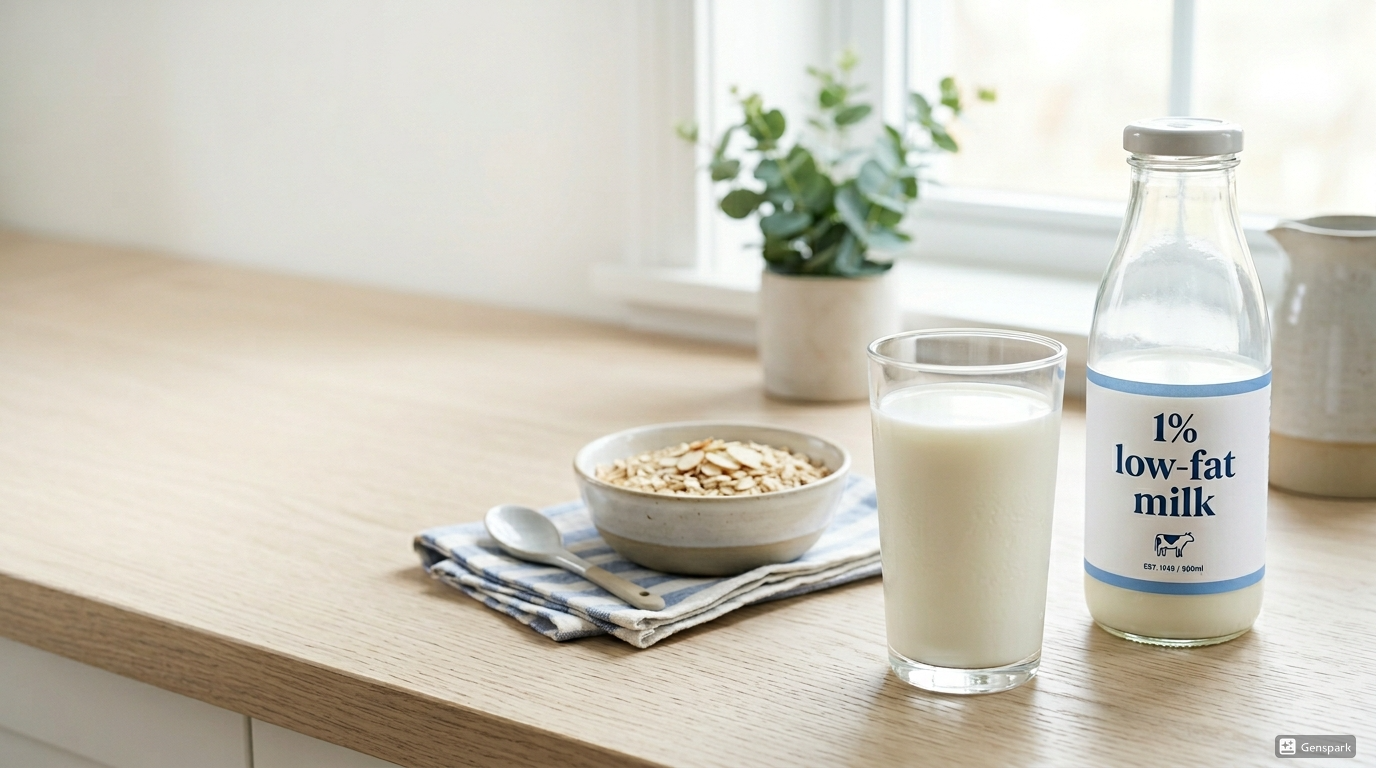
✨ Featured Snippet Answer
Low fat milk is cow’s milk that usually contains 1% milkfat. It gives you protein, calcium, vitamin D, potassium, and other essential nutrients with less fat and fewer calories than whole milk. For many people, it offers a practical middle ground between whole milk and skim milk. The Nutrition Source FDA
🥛 Low Fat Milk: A Simple, Smart Choice That Still Delivers Big Nutrition
There’s something comforting about a cold glass of milk.
Maybe it reminds you of school lunches, early breakfasts, late-night cereal, or the quiet way your parents used to insist, “Drink your milk.” For years, milk has sat at the center of the family table. But today, the conversation is different. People want nutrition without excess calories. They want protein without overdoing saturated fat. They want something practical, affordable, and easy to use every day.
That’s exactly where low fat milk fits in.
Low fat milk often gets overshadowed in debates between whole milk and plant-based drinks. But for many households, it remains one of the most balanced options in the fridge. It gives you the familiar taste and versatility of dairy milk while trimming down the fat content. And for busy people trying to eat a little better without becoming food scientists, that matters.
🔎 What Is Low Fat Milk?
Low fat milk is typically 1% milkfat. That means most of the cream has been removed, but the milk still keeps its core nutrients. By comparison, whole milk contains about 3.25% milkfat, reduced-fat milk contains 2%, and skim milk has virtually no milkfat. The Nutrition Source U.S. Dairy
Think of it as the middle path.
If whole milk feels too rich and skim milk feels too thin, low fat milk usually lands in the sweet spot. It has a lighter texture than whole milk, but it still tastes more rounded and satisfying than fat-free milk. For many people, that makes it easier to stick with long term.
📊 Low Fat Milk Nutrition: What’s in One Cup?
A typical cup of 1% low-fat milk provides roughly:
- 106 calories
- 8 grams of protein
- 12 grams of natural milk sugar
- 2 grams of fat
- About 310 mg calcium
- Vitamin D
- Vitamin A
- Potassium U.S. Dairy
That’s one reason low fat milk stays relevant in nutrition advice. You still get the important nutrients people often look for in dairy, including protein, calcium, potassium, vitamin D, riboflavin, vitamin B12, phosphorus, and more. The FDA also notes that dairy milk provides several nutrients many people under consume, including calcium, potassium, and vitamin D. FDA
In plain English, low fat milk gives you a lot of nutritional value for not many calories.
❤️ Why Many People Choose Low Fat Milk
One of the biggest reasons people switch to low fat milk is simple: they want to reduce saturated fat without losing the convenience of regular milk.
The American Heart Association recommends limiting saturated fat intake to less than 6% of total calories for many adults aiming to protect heart health. Since full-fat dairy contains more saturated fat, lower-fat options can help people manage intake more easily. American Heart Association
That doesn’t mean low fat milk is a magic food.
It just means it can be a smart swap.
If you drink milk daily, add it to coffee, pour it over cereal, blend it into smoothies, and use it in cooking, the fat savings add up over time. Not in a dramatic, “change your life by Tuesday” kind of way. But in the realistic, sustainable way that good nutrition usually works.
🦴 Calcium, Protein, and Everyday Strength
Low fat milk isn’t only about what it has less of. It’s also about what it still gives you plenty of.
Calcium supports bones and teeth. Protein helps build and maintain muscle and other body tissues. Vitamin D helps with calcium absorption. Potassium supports muscle, nerve, and heart function. These aren’t trendy nutrients. They’re foundational ones. FDA
That’s why low-fat milk works well for so many people:
- kids who need steady nutrition,
- adults who want an easy protein source,
- older adults thinking about bone health,
- and anyone who wants a reliable breakfast staple without overcomplicating things.
⚖️ Is Low Fat Milk Good for Weight Management?
It can be.
Low fat milk is not a weight-loss trick, but it can support a calorie-conscious eating plan because it offers protein and nutrients for relatively modest calories. Compared with whole milk, low fat milk contains fewer calories and less fat while still delivering similar protein and calcium. U.S. Dairy
That makes it useful in real life.
If your breakfast is oatmeal made with low fat milk, you get more protein and creaminess than water would give you. If your smoothie includes low fat milk, it may keep you fuller than a sugary juice base. If your afternoon coffee habit includes milk, low fat milk can soften the calorie hit without making the drink feel watery.
Weight management usually comes down to patterns, not perfection. Low fat milk fits nicely into a balanced pattern.
🥣 Easy Ways to Use Low Fat Milk Every Day
One of the best things about low fat milk is that it asks almost nothing from you. No complicated prep. No learning curve. No “wellness routine” required.
You can use it in:
- oatmeal,
- smoothies,
- scrambled eggs,
- mashed potatoes,
- soups,
- pancakes,
- tea and coffee,
- cereal,
- yogurt-based sauces,
- and homemade high-protein snacks.
The NHS also highlights lower-fat dairy choices, including 1% milk and skimmed milk, as practical options for people trying to reduce fat intake while keeping dairy in the diet. NHS
That flexibility is part of what makes low-fat milk so underrated. It doesn’t need a marketing campaign to be useful. It’s already useful.
🥛 Low Fat Milk vs Whole Milk
This is the comparison most people care about.
Whole milk tastes richer. It feels creamier. Some people genuinely prefer it, especially in coffee, desserts, or for kids transitioning to family foods. But nutritionally, low fat milk gives you much of the same protein, calcium, and micronutrient value with fewer calories and less saturated fat. U.S. Dairy
So the better choice depends on your goal.
If your focus is richer taste, whole milk may appeal more. If your goal is lighter daily nutrition without giving up dairy, low fat milk often makes more sense.
🥄 Low Fat Milk vs Skim Milk
This choice is usually about texture and satisfaction.
Skim milk has virtually no milkfat. It’s the leanest option, but not everyone enjoys the mouthfeel. Low-fat milk keeps a little creaminess, which can make it easier to drink regularly. The Nutrition Source
And that matters more than nutrition plans often admit.
Because the “best” milk on paper is useless if you never actually want to drink it.
For many people, 1% milk is the most realistic compromise between nutrition goals and taste preferences.
👨👩👧 Who Should Consider Low-Fat Milk?
Low-fat milk can be a good option for:
- adults trying to reduce saturated fat,
- families looking for a versatile everyday milk,
- people who want a lower-calorie dairy option,
- those who need more calcium and protein,
- and anyone transitioning from whole milk to a lighter choice.
The American Heart Association recommends low-fat or fat-free dairy products for many age groups, including adults, as part of a heart-conscious eating pattern. American Heart Association
Of course, not everyone should drink dairy. People with milk allergy, lactose intolerance, or personal dietary restrictions may need alternatives. And infants under 12 months should not use milk as a replacement for breast milk or formula. FDA
🛒 How to Choose the Best Low-Fat Milk
Here’s a simple grocery-store checklist:
- Choose 1% milkfat if you want true low-fat milk.
- Look for fortified vitamin D.
- Check the protein, calcium, vitamin D, and potassium on the label.
- Avoid flavored versions if you want less added sugar.
- Compare labels instead of assuming every carton is the same. FDA
A small but useful detail: when fat is removed from milk, some vitamin A is lost, so low-fat milk is often fortified with vitamin A to maintain nutrient quality. U.S. Dairy
That’s the kind of quiet food science most people never think about, but it’s helpful to know.
🌿 Is Low-Fat Milk Better Than Plant-Based Milk?
Not automatically. It depends on your needs.
Dairy milk naturally provides a strong nutrient package. The FDA notes that fortified soy beverages are the only plant-based alternatives nutritionally similar enough to dairy milk to be included in the dairy group in federal guidance. Other plant-based milks may vary widely in protein, calcium, vitamin D, and potassium. FDA
So if you’re comparing low-fat milk with almond, oat, coconut, or rice milk, don’t compare the front of the package. Compare the label.
That’s where the real story is.
✅ Final Take on Low-Fat Milk
Low-fat milk is not flashy. It’s not trendy. It doesn’t need to be.
It’s one of those quietly dependable foods that keeps showing up because it works. It offers high-quality protein, calcium, vitamin D, potassium, and other nutrients with less fat and fewer calories than whole milk. It supports balanced eating, works in dozens of meals, and suits people who want a practical compromise between richness and restraint. FDA U.S. Dairy
And honestly, that may be its biggest strength.
Low-fat milk doesn’t ask you to reinvent your life. It simply makes your daily routine a little lighter, a little smarter, and still pleasantly familiar.
❓ 10 FAQs About Low Fat Milk
1) What is the difference between low fat milk and whole milk?
The main difference is milkfat content. Low fat milk usually contains 1% milkfat, while whole milk contains around 3.25% milkfat. Because of that, whole milk has more calories, more total fat, and more saturated fat. Low fat milk, however, still provides similar protein, calcium, and many key vitamins and minerals. If you want the nutrition of dairy with a lighter nutritional profile, low fat milk is often the more practical everyday choice. The Nutrition Source U.S. Dairy
2) Is low fat milk healthy to drink every day?
For many people, yes. Low fat milk can be part of a healthy daily diet because it provides protein, calcium, vitamin D, potassium, phosphorus, and other important nutrients. It can be especially useful for people who want to reduce saturated fat while still getting the benefits of dairy. That said, whether it fits your routine depends on your digestion, health goals, and overall diet quality. Daily use makes the most sense when it complements a balanced eating pattern rather than acting as a “health shortcut.” FDA American Heart Association
3) Is low fat milk good for weight loss?
Low fat milk can support weight-loss goals, but it doesn’t cause weight loss by itself. Its advantage is that it gives you protein and nutrients for relatively few calories compared with whole milk. That makes it a useful ingredient in filling breakfasts, smoothies, soups, and snacks. For example, using low-fat milk instead of whole milk may help cut calories over time without removing the foods you enjoy. Still, sustainable weight loss depends on your overall calorie intake, activity level, sleep, and eating habits. U.S. Dairy
4) Does low fat milk have enough calcium and vitamin D?
Yes, low fat milk remains an excellent source of calcium, and many versions are fortified with vitamin D. In fact, dairy milk is widely valued because it delivers calcium, vitamin D, potassium, and protein in one convenient food. The FDA specifically highlights calcium, potassium, and vitamin D as nutrients many people do not consume enough of. That’s one reason low-fat milk remains nutritionally important even after some of the fat has been removed. FDA U.S. Dairy
5) Is 1% milk the same as low fat milk?
Yes. In standard nutrition language, low fat milk usually means 1% milk fat. This is different from reduced-fat milk, which contains 2% milkfat, and skim milk, which contains almost no fat. Many people casually use these labels interchangeably in conversation, but technically they are different products. If you want true low-fat milk, check the carton and look for “1%.” The Nutrition Source U.S. Dairy
6) Is low-fat milk better than skim milk?
Not universally. It depends on what you value more: fewer calories or better taste and texture. Skim milk removes almost all fat, so it is lower in calories, but many people find it too thin. Low-fat milk keeps a bit more body and flavor, which can make it more enjoyable and easier to use regularly. Nutritionally, both can fit into a healthy diet. In practice, the better option is often the one you’ll actually drink and enjoy consistently. The Nutrition Source American Heart Association
7) Can children drink low-fat milk?
Children’s milk needs depend on age. The FDA notes that infants under 12 months should not use milk as a replacement for breast milk or infant formula. For older children, milk choices depend on age, pediatric guidance, and total diet. Many health organizations support low-fat or fat-free dairy for children age 2 and older, while younger toddlers may have different recommendations. If parents are unsure, it’s best to follow pediatric advice, especially if there are concerns about growth, appetite, allergies, or weight. FDA American Heart Association
8) Is low-fat milk good for heart health?
It can be a helpful choice within a heart-healthy diet because it contains less saturated fat than whole milk. The American Heart Association recommends limiting saturated fat intake, and choosing lower-fat dairy is one way to do that. Of course, heart health is bigger than one food. Your overall eating pattern matters most, including fruits, vegetables, whole grains, legumes, nuts, and healthy fats. But if you already drink dairy milk regularly, switching to low-fat milk can be a simple step in the right direction. American Heart Association American Heart Association
9) How does low-fat milk compare with almond milk or oat milk?
Low-fat dairy milk usually offers more natural protein than many plant-based alternatives. The FDA advises consumers to compare labels because plant-based drinks vary widely in protein, calcium, vitamin D, potassium, calories, and added sugars. Fortified soy beverages come closest nutritionally to dairy milk in federal dietary guidance. Almond milk or oat milk may still work well depending on taste, allergies, ethics, or dietary preference, but they are not automatically nutritional equivalents. Always read the label before assuming they match dairy milk. FDA
10) What is the best time to drink low-fat milk?
There isn’t one perfect time. Low-fat milk works well whenever it helps your routine. In the morning, it can add protein and creaminess to oatmeal or smoothies. After exercise, it can contribute protein and fluids. At night, some people enjoy it as a light snack base or warm drink. The “best” time is the time you’ll use it consistently as part of balanced meals and snacks. Because it’s versatile, affordable, and easy to pair with common foods, low-fat milk tends to work best when it becomes a regular part of your day instead of a once-in-a-while health gesture. NHS FDA