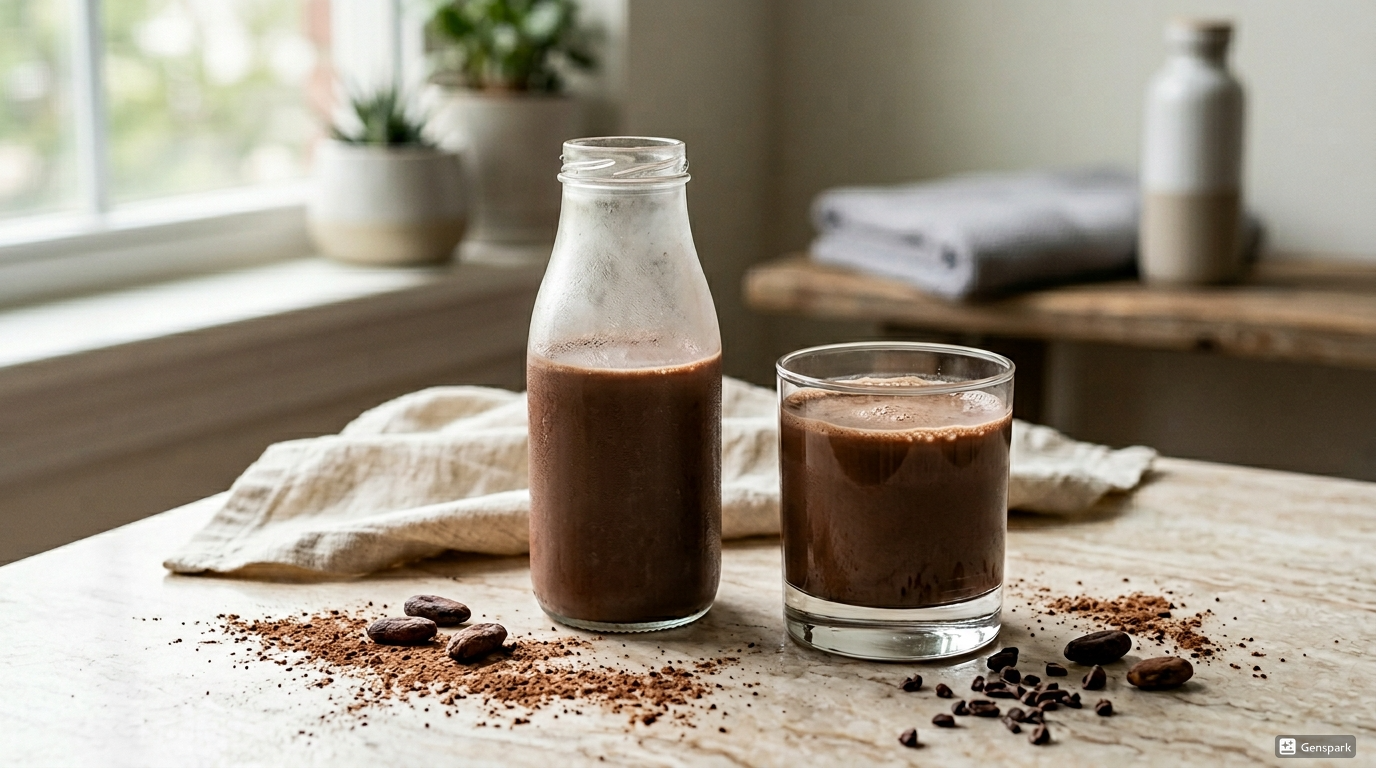
🥛🍫 Protein Chocolate Milk: Benefits, Nutrition, Best Uses, and How to Choose the Healthiest One
⭐ Quick Answer for Featured Snippets
Protein chocolate milk is a chocolate-flavored milk drink with higher protein content than regular chocolate milk, often used for post-workout recovery, satiety, and convenient nutrition. It can be a smart choice because it combines protein, carbohydrates, fluids, and key nutrients like calcium and potassium, especially when made with low-fat dairy or fortified alternatives. Research suggests chocolate milk may work as well as, or sometimes better than, some recovery drinks in certain exercise settings, though the evidence is still developing. PubMed PubMed
🌟 Why Protein Chocolate Milk Is Suddenly Everywhere
If you’ve walked through a grocery store lately, you’ve probably noticed it.
Not just regular chocolate milk.
Not just protein shakes.
But that middle ground people keep reaching for: protein chocolate milk.
It shows up in gym bags, lunchboxes, office fridges, and post-workout coolers. And honestly, it makes sense. It tastes familiar, feels less intimidating than a chalky supplement, and gives people something they actually want to drink.
For many people, protein chocolate milk feels like the “real life” version of sports nutrition. It’s convenient. It’s comforting. And unlike some trendy drinks, it doesn’t try too hard.
But is it actually healthy?
Is it just clever marketing?
And is protein chocolate milk good for muscle gain, fat loss, or recovery?
Let’s break it down in a simple, practical way.
🧠 What Is Protein Chocolate Milk?
Protein chocolate milk is exactly what it sounds like: chocolate milk with more protein than the standard version.
That extra protein may come from:
- naturally higher-protein dairy milk
- ultra-filtered milk
- added milk protein concentrate
- whey or casein
- pea or soy protein in dairy-free versions
Some bottles contain around 13 to 15 grams of protein, while others go much higher, sometimes reaching 20 to 30 grams per serving depending on the brand and formula.
The reason this drink gets so much attention is simple: it combines the things people often want most in one bottle:
- protein for muscle support
- carbohydrates for energy
- fluid for hydration
- a sweet, familiar taste
Milk itself is a source of nutrients such as protein, calcium, potassium, phosphorus, riboflavin, vitamin B12, vitamin A, and vitamin D in many processed products. Harvard T.H. Chan School of Public Health
And because dairy proteins are animal-based, they provide all essential amino acids, which makes them a complete protein source. MedlinePlus
💪 Why So Many Active People Drink It After Workouts
This is where protein chocolate milk really built its reputation.
Low-fat chocolate milk has been studied as a post-exercise recovery beverage because it naturally delivers a mix of carbohydrates and protein, along with fluid and sodium. One review noted that low-fat chocolate milk offers about a 4:1 carbohydrate-to-protein ratio, similar to some commercial recovery drinks. PubMed
That matters because after hard training, your body usually needs two things:
First, it needs protein to help repair and rebuild muscle tissue.
Second, it needs carbohydrates to help refill energy stores.
Protein chocolate milk checks both boxes.
A later systematic review and meta-analysis found that chocolate milk produced similar or sometimes superior results compared with placebo or some other recovery beverages in exercise settings, although the researchers also noted that the overall evidence is still limited and more high-quality studies are needed. PubMed
So no, protein chocolate milk is not magic.
But it’s also not hype for nothing.
For people who want a simple post-workout recovery drink, it can be a genuinely practical option.
🥤 Protein Chocolate Milk vs Regular Chocolate Milk
The biggest difference is usually the protein content.
Regular chocolate milk already contains some protein because milk naturally does. But protein chocolate milk is designed to push that number higher so it functions more like a high-protein drink rather than just a flavored dairy beverage.
Here’s the practical difference:
Regular Chocolate Milk
- familiar and enjoyable
- usually lower in protein
- often higher in sugar relative to protein
- works well as an occasional snack or recovery drink
Protein Chocolate Milk
- higher protein per serving
- more filling
- often marketed for muscle recovery, fitness, or meal support
- can help people hit protein goals more easily
The best choice depends on your goal.
If you just want something tasty after a walk or as an occasional treat, regular chocolate milk may be enough.
If you’re trying to build muscle, recover after training, stay fuller longer, or replace a less balanced snack, protein chocolate milk may be the smarter pick.
⚖️ Is Protein Chocolate Milk Healthy?
The honest answer is: it can be.
Protein chocolate milk sits in that useful middle zone between whole food and convenience food. It’s not automatically healthy just because the label says “protein,” but it can absolutely fit into a healthy diet.
It tends to be a better option when it has:
- moderate calories for your needs
- meaningful protein per serving
- reasonable added sugar
- a short ingredient list
- calcium and vitamin D
- a taste you actually enjoy
Where people get confused is this: they assume more protein automatically means healthier.
Not always.
Some protein drinks are basically dessert in disguise. Others are thoughtfully made and genuinely balanced. That’s why the label matters.
Mayo Clinic notes that protein drinks are not a magic solution for weight loss, and consuming extra protein on top of your normal diet can add calories rather than help. It also emphasizes that whole foods still matter. Mayo Clinic
So the better question isn’t, “Is protein chocolate milk healthy?”
It’s this:
Is this specific bottle healthy for my goal?
That’s the question that actually helps.
🏋️ Best Benefits of Protein Chocolate Milk
1. It supports muscle recovery
Because it contains protein and carbs, protein chocolate milk can be useful after exercise when your body is ready to recover. That’s one reason it remains popular among runners, lifters, cyclists, and team-sport athletes. PubMed
2. It’s easy to drink when you’re not hungry
After intense exercise, some people don’t want a full meal right away. A cold drink can feel easier than chewing through chicken, rice, or eggs. Children’s Hospital Colorado also points out that many athletes tolerate a beverage better than food shortly after workouts. Children’s Hospital Colorado
3. It can help with fullness
Higher-protein drinks may help some people stay fuller between meals, especially when they replace less balanced snack choices. Mayo Clinic notes that higher-protein products may support fullness, though evidence varies and they aren’t a stand-alone fix. Mayo Clinic
4. It provides important nutrients
Milk-based drinks can offer calcium, potassium, phosphorus, B vitamins, and added vitamin D in many products. Harvard T.H. Chan School of Public Health
5. It’s more affordable than many supplements
This is one of the most underrated advantages. Fancy powders and recovery beverages can get expensive fast. Chocolate milk is often cheaper, easier to find, and more realistic for everyday life. Children’s Hospital Colorado
🕒 When Should You Drink Protein Chocolate Milk?
There isn’t one perfect time for everyone, but these are the most common times it makes sense:
After a workout
This is the classic use. A protein chocolate milk drink after exercise can be convenient when you need something quick and portable.
Between meals
If you tend to get overly hungry in the afternoon, a high-protein chocolate milk can work better than pastries, candy, or a random vending machine snack.
As a breakfast backup
Not ideal every day if breakfast is always liquid, but helpful on rushed mornings when the alternative is skipping food entirely.
Before bed
Some people enjoy protein chocolate milk at night, especially if they’re trying to increase calories or protein. Since milk protein includes both whey and slower-digesting casein, it can feel satisfying in the evening. Children’s Hospital Colorado highlights whey and casein as beneficial milk proteins for recovery. Children’s Hospital Colorado
🛒 How to Choose the Best Protein Chocolate Milk
Standing in front of the fridge section can get weirdly overwhelming.
Every bottle says something slightly different:
“ultra-filtered,” “muscle recovery,” “high protein,” “reduced sugar,” “performance nutrition.”
Here’s a simpler checklist.
✅ Look for:
- 15 grams or more of protein if you want a true protein-forward drink
- lower added sugar relative to protein
- calories that fit your goal
- recognizable ingredients
- calcium and vitamin D
- a serving size you’ll actually use
🚩 Watch out for:
- protein that’s still low despite the marketing
- lots of added sugar
- very high calories if you’re drinking it casually
- ingredient lists packed with fillers you don’t want
- labels that make big promises without substance
A good rule of thumb: if a protein chocolate milk tastes great, satisfies you, and fits your daily nutrition goals, it’s probably a better real-world choice than a “perfect” product you never finish.
🏠 Homemade Protein Chocolate Milk Recipe
Want more control over ingredients? Make it yourself.
🍫 Easy Homemade Protein Chocolate Milk
Ingredients
- 1 cup low-fat milk or lactose-free milk
- 1 scoop chocolate or unflavored protein powder
- 1 teaspoon cocoa powder
- 1/2 banana or a few dates for natural sweetness
- ice cubes
- optional pinch of cinnamon
Method
Blend everything until smooth.
That’s it.
This version works well because you can adjust:
- sweetness
- protein level
- thickness
- calories
- dairy or dairy-free base
If you’re using a plant-based milk like oat or almond, remember it may contain less protein unless it’s fortified. Children’s Hospital Colorado notes that soy or pea milk may better match cow’s milk protein than many nut- or oat-based options. Children’s Hospital Colorado
🚫 Who Should Be Careful With Protein Chocolate Milk?
Protein chocolate milk isn’t for everyone.
You may need to limit it, modify it, or choose an alternative if you:
- have lactose intolerance
- have a milk allergy
- are watching added sugar closely
- already get enough protein and don’t need extra calories
- have a medical reason to manage certain nutrients more closely
The NIDDK explains that lactose intolerance can cause symptoms like bloating, gas, and diarrhea after consuming lactose-containing foods or drinks. It also notes that many people can tolerate some amount of lactose, which is why lactose-free options can be a helpful middle ground. NIDDK
Also, milk is nutritious, but it isn’t a cure-all. Harvard’s review of milk points out that research on dairy and long-term health outcomes is often mixed, so it’s better to think of protein chocolate milk as one useful option within a balanced diet, not a miracle food. Harvard T.H. Chan School of Public Health
📌 Final Verdict
Protein chocolate milk works because it solves a real problem.
People want nutrition that feels easy.
They want something that helps with recovery, supports protein intake, tastes good, and doesn’t feel like punishment. Protein chocolate milk can do that surprisingly well.
It’s not automatically healthy just because it has protein.
It’s not automatically unhealthy just because it tastes like chocolate.
And it definitely doesn’t need to be overcomplicated.
For many people, the best protein chocolate milk is simply the one that:
- fits their goal
- tastes good
- offers enough protein
- keeps added sugar reasonable
- feels sustainable in everyday life
That’s the kind of nutrition choice that usually lasts.
❓10 FAQs About Protein Chocolate Milk
1. Is protein chocolate milk good after a workout?
Yes, it can be a very practical post-workout option. One reason is that it combines protein, carbohydrates, and fluid in a way that supports recovery needs after training. Research reviews have found that chocolate milk may provide results that are similar or sometimes superior to some recovery beverages in certain exercise settings, although the evidence is still limited and not every study shows dramatic benefits. In everyday terms, that means protein chocolate milk is a strong convenience choice, especially if you want something simple, affordable, and easy to drink right after exercise. If you tolerate dairy well and the sugar content fits your goals, it can be a smart recovery drink. PubMed PubMed
2. Is protein chocolate milk good for weight loss?
It can be, but only in the right context. Protein chocolate milk may help with fullness and can replace less balanced snacks, which may indirectly support weight control. But it does not cause weight loss by itself. Mayo Clinic makes it clear that protein drinks are not magic and that extra calories still count, even when they come from protein. If you drink protein chocolate milk in addition to your normal meals without adjusting anything else, it may slow progress rather than help. The smartest approach is to use it strategically, such as replacing a sugary snack or supporting recovery after training, instead of treating it like a free extra. Mayo Clinic
3. How much protein should protein chocolate milk have?
There’s no single rule, but a useful target is at least 15 grams of protein per serving if you want it to function as a true high-protein drink. Some products contain closer to 20 or even 30 grams, which may make more sense for athletes, people with higher protein needs, or those using it as a mini-meal. If the label says “protein” but only gives you a small amount above regular chocolate milk, it may not offer much practical advantage. The ideal amount depends on your total diet, body size, activity level, and whether you’re using it as a snack, recovery drink, or meal support option.
4. Is protein chocolate milk better than a protein shake?
Sometimes yes, sometimes no. A traditional protein shake may give you more protein with less sugar, especially if it’s built around whey isolate or another concentrated protein source. But protein chocolate milk often feels more satisfying and enjoyable because it includes real milk, carbs, and a more familiar taste. That can make it easier to stick with. Mayo Clinic also reminds readers that whole-food-style options can have advantages over relying too heavily on supplements alone. So if your goal is pure protein efficiency, a shake may win. If your goal is balanced recovery and something you’ll actually drink consistently, protein chocolate milk may be better. Mayo Clinic
5. Can kids and teens drink protein chocolate milk?
In many cases, yes. In fact, Children’s Hospital Colorado highlights low-fat chocolate milk as a practical recovery option for young athletes after hard activity because it offers hydration, protein, carbohydrates, and important nutrients. That said, kids usually do not need ultra-high-protein products marketed to bodybuilders. The better focus is balanced nutrition, appropriate portions, and overall eating habits. For active teens who train hard, a protein-rich chocolate milk can be useful after sports, especially when dinner is still a while away. Parents should still read labels carefully and keep an eye on added sugar, portion size, and whether the product is designed for general nutrition or heavy supplementation. Children’s Hospital Colorado
6. Is dairy-based protein chocolate milk better than plant-based?
Not always, but dairy-based versions do have one clear advantage: milk proteins are complete proteins and naturally contain all essential amino acids. MedlinePlus notes that animal-based proteins are complete proteins, which is one reason dairy remains popular in sports nutrition. Still, plant-based protein chocolate milk can work well too, especially if it uses soy or pea protein and is fortified appropriately. The key is not whether it comes from dairy or plants alone. The key is the overall nutrition profile: protein amount, ingredient quality, sugar level, and how well it fits your digestion and preferences. If dairy bothers your stomach, a well-made plant-based version may be the better choice for you. MedlinePlus
7. Can protein chocolate milk cause stomach issues?
Yes, for some people. If you are lactose intolerant, dairy-based protein chocolate milk may cause bloating, gas, diarrhea, or stomach discomfort. According to NIDDK, lactose intolerance happens when your body has trouble digesting lactose, the natural sugar in milk. The good news is that many people can tolerate some lactose, and lactose-free dairy options are widely available now. Some protein-fortified drinks may also feel heavy if they contain thickening gums or concentrated protein blends. If protein chocolate milk makes you uncomfortable, try a smaller serving, a lactose-free version, or a plant-based option with soy or pea protein. That adjustment is often enough to solve the problem. NIDDK
8. Is homemade protein chocolate milk better than store-bought?
It can be better if you want control. Homemade protein chocolate milk lets you choose the exact ingredients, sweetness, protein source, and calorie level. That means you can keep it simple and avoid extras you don’t want. On the other hand, store-bought versions are more convenient and often more portable, which matters in real life. If convenience helps you stay consistent, a good bottled option may actually be the better choice for you. The smartest approach is not to treat homemade as automatically superior. Instead, compare both versions honestly. If your homemade recipe tastes good and fits your routine, great. If a ready-to-drink bottle gets you to your goal more reliably, that’s also a win.
9. Is protein chocolate milk a meal replacement?
Usually, no. It can work as a light breakfast backup or a substantial snack, but most protein chocolate milk products are not complete meals on their own unless they are specifically formulated that way. A true meal replacement should provide enough calories, protein, fiber, and overall balance to hold you for several hours. Many protein chocolate milk drinks are better viewed as a bridge: useful between meals, after workouts, or when time is tight. If you plan to use one in place of a meal, it often helps to pair it with something else, like fruit, oats, nuts, or a boiled egg, so the nutrition is more complete and satisfying.
10. What should I look for on the label of protein chocolate milk?
Start with the basics: protein grams, added sugar, calories, serving size, and ingredient list. A strong product usually gives you enough protein to justify the label, keeps sugar in a reasonable range, and doesn’t rely on a long list of unnecessary extras. It’s also worth checking for calcium and vitamin D, especially if you use it often. If your goal is recovery, a little carbohydrate is not a problem and may actually be useful. If your goal is weight management, look at the total calorie picture. The best label isn’t the most impressive-sounding one. It’s the one that aligns with your body, your goals, and your daily routine.