🥛 Cream Top Whole Milk: What It Is, Why People Love It, and How to Choose the Best Bottle
✨ Quick Answer: What Is Cream Top Whole Milk?
Cream top whole milk is whole milk that has not been homogenized, which means the cream naturally rises to the top instead of staying evenly mixed throughout the bottle. It is often prized for its rich taste, old-fashioned texture, and more traditional dairy experience. Whole milk in the U.S. is defined as milk containing at least 3.25% milkfat, and cream-top milk may still be pasteurized, even though it is non-homogenized. Source Source
🌿 Introduction: The Milk That Feels a Little More Special
Some foods are technically simple, but emotionally? They hit differently.
Cream top whole milk is one of those foods.
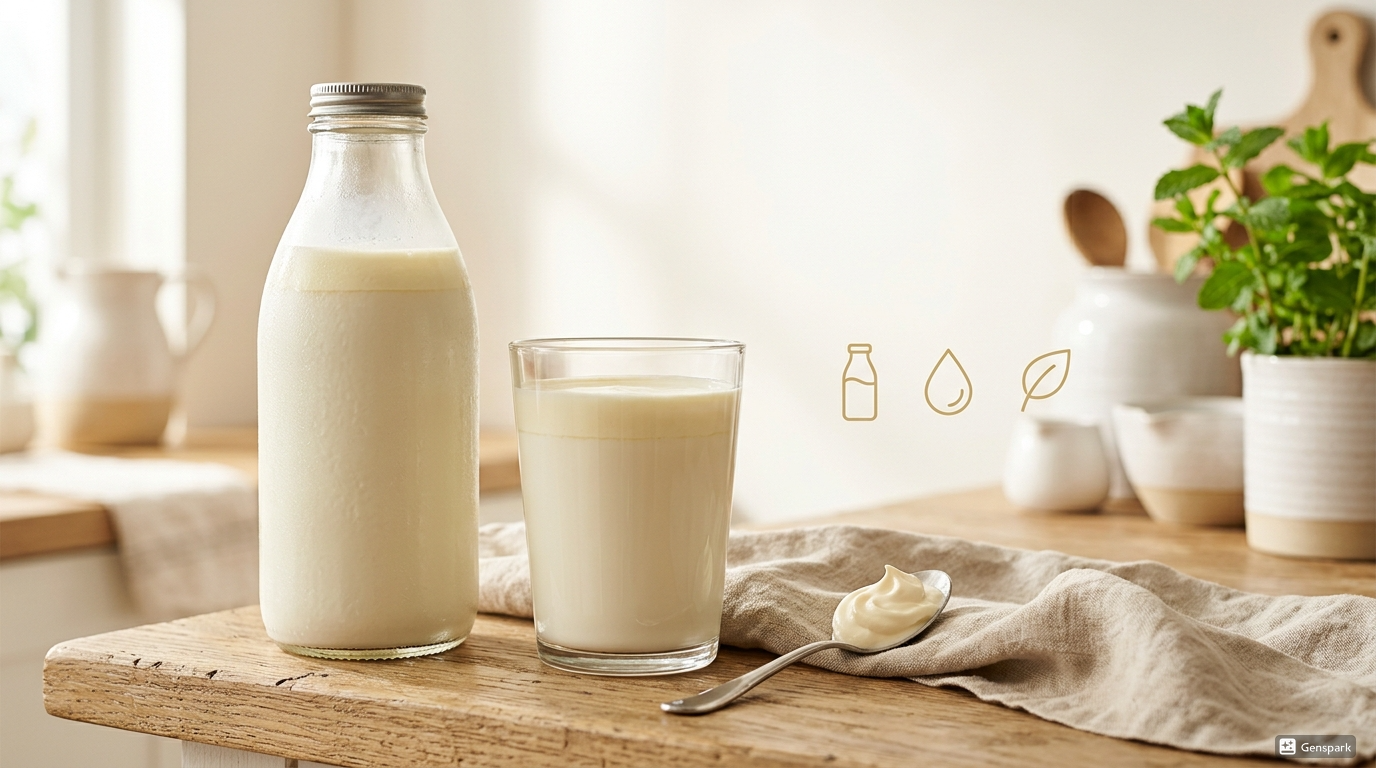
At first glance, it looks like milk with a thick layer floating on top. But to many shoppers, that creamy cap signals something better: a slower process, a fuller taste, and a bottle that feels closer to what milk used to be before convenience changed the dairy aisle.
If you have ever picked up a glass bottle from a local creamery and wondered why the cream was sitting at the top, you are not alone. That layer is not a flaw. It is actually the point.
For shoppers searching this keyword, the real question usually is not just “what is cream top whole milk?” It is more practical than that. Is it worth buying? Does it taste better? Is it healthier? How do you use it? And how do you know you are getting a good one?
This guide answers all of that in plain English.
🥛 What Does “Cream Top” Actually Mean?
Cream top milk, also called creamline milk or non-homogenized milk, is milk in which the cream is allowed to separate naturally. Instead of being mechanically broken into tiny particles and distributed evenly, the milk keeps that visible cream layer near the top. Source Source
That matters because in standard supermarket milk, the fat has usually gone through homogenization. Homogenization is a mechanical process that forces milk through small openings under pressure so the fat globules break apart and stay suspended in the liquid. The result is a smooth, uniform texture with no cream line. Source Source
So when you buy cream top whole milk, you are not buying “extra cream” in the sense of heavy cream being added. You are buying milk that has been handled differently.
🧈 Why Does the Cream Rise to the Top?
Because milk fat naturally wants to separate.
When milk is not homogenized, the fat globules remain larger, and over time they rise upward and create that beautiful cream cap. That is exactly what people used to expect to see before homogenized milk became the standard. Source Source
This is also why many bottles of creamline milk tell you to shake well before using. If you want a consistent pour for cereal, coffee, or drinking, you mix the cream back in. If you want a richer spoonful on top, you can leave it partly separated.
That little ritual is part of the appeal.
😋 How Does Cream Top Whole Milk Taste?
This is where things get interesting.
Most people who love cream top whole milk are not buying it for novelty alone. They are buying it for the mouthfeel.
It often tastes richer, rounder, and more luxurious than standard whole milk, even though the milkfat definition for whole milk is still rooted in the same category. Because the cream is less processed in texture and sits visibly on top, the drinking experience can feel fuller and more farm-style. The difference is especially noticeable in coffee, homemade hot chocolate, oatmeal, mashed potatoes, custards, and baking.
In plain terms, regular whole milk feels smooth. Cream top whole milk feels smooth and indulgent.
That is why shoppers looking for premium dairy, local milk, glass bottle milk, or non-homogenized milk often end up here.
📌 Is Cream Top Whole Milk the Same as Raw Milk?
No — and this is one of the most important buying distinctions.
A lot of people confuse non-homogenized with raw, but they are not the same thing. Milk can be non-homogenized and still be pasteurized. In fact, many cream top whole milk products sold by dairies and creameries are pasteurized for safety while remaining non-homogenized for texture and appearance. Source Source
The FDA explains that pasteurization is a key reason milk in the U.S. is far safer than it was historically, because the process heats milk to kill harmful bacteria. Source
So if you want the cream-top experience without stepping outside mainstream food-safety expectations, look for pasteurized, non-homogenized whole milk on the label.
🛒 Cream Top Whole Milk vs Regular Whole Milk
Here is the simplest comparison:
| Feature | Cream Top Whole Milk | Regular Whole Milk |
|---|---|---|
| Processing | Non-homogenized | Homogenized |
| Appearance | Cream rises to top | Uniform throughout |
| Texture | Richer, old-fashioned feel | Smooth and consistent |
| Preparation | Usually shake before use | Pour and use |
| Shopper appeal | Premium, local, artisanal | Convenient, everyday |
| Milkfat category | Whole milk, at least 3.25% milkfat | Whole milk, at least 3.25% milkfat |
Whole milk sold for beverage use must contain not less than 3.25% milkfat, according to USDA-referenced standards. Source
So the biggest difference is not that one is “real milk” and the other is not. It is mostly about texture, processing style, and user experience.
🛍️ What to Look for When Buying Cream Top Whole Milk
If you are shopping with purchase intent, this is the section that matters most.
1. Look for “non-homogenized” on the label
If the product simply says whole milk, that does not automatically mean it is cream top. The clearest language is usually non-homogenized, cream top, or creamline.
2. Check whether it is pasteurized
For most shoppers, this is the sweet spot: traditional texture with modern safety standards. Pasteurization and homogenization are separate processes, so one can happen without the other. Source
3. Review the ingredient panel and Nutrition Facts
The FDA recommends comparing labels for nutrients such as protein, calcium, vitamin D, and potassium. That is especially helpful if you are comparing dairy brands or choosing between dairy and plant-based beverages. Source
4. Pay attention to packaging
Cream top whole milk is often sold in glass bottles or premium cartons. Glass packaging tends to reinforce the artisanal, local-dairy feel and also lets you actually see the cream line.
5. Buy from dairies with strong handling practices
Milk quality is not only about the cow or the cream. It is also about cold-chain handling. USDA food-safety guidance recommends refrigerators stay at 40°F or below, and perishable foods should not be stored in the refrigerator door where temperatures fluctuate more. Source
☕ Best Ways to Use Cream Top Whole Milk
One of the smartest reasons to buy cream top whole milk is versatility.
It works beautifully for:
- coffee and lattes
- tea
- cereal
- creamy soups
- mashed potatoes
- homemade yogurt
- custards and puddings
- pancake batter
- béchamel and cheese sauce
- baking where a fuller dairy note helps
If you are the kind of buyer who values texture in cooking, this milk can pull extra weight in the kitchen. The top cream can also give hot drinks and sauces a more luxurious finish.
For families, it also adds a tiny sense of ceremony to something ordinary. Twist open the bottle. See the cream. Shake. Pour. That tactile experience is part of the product’s charm.
💡 Is Cream Top Whole Milk Worth the Higher Price?
For many shoppers, yes.
Cream top whole milk is usually marketed as a premium dairy product. It may come from smaller creameries, local farms, or brands focused on low-processing methods. That often means the price is higher than standard supermarket milk.
But shoppers who buy it are rarely buying only nutrition. They are buying:
- taste
- texture
- a less industrial feel
- better coffee performance
- better cooking performance
- support for local or specialty dairies
So the better question is not “is it more expensive?” It usually is. The better question is “does the experience justify the price for your household?”
If milk is just for cereal and recipes where you will never notice the difference, maybe not. If milk is something you actually enjoy drinking, foaming, cooking with, or serving, then cream top whole milk can feel like a small upgrade with an outsized payoff.
🧊 How to Store It Properly
Because cream top milk is still perishable dairy, storage matters.
Keep it cold, ideally in the main body of the fridge rather than the door. USDA guidance recommends keeping refrigerators at 40°F or below and avoiding the refrigerator door for perishables because the temperature fluctuates more there. Source
Before serving, gently shake if you want the cream reintegrated. If you are using it for coffee or pouring at the table, a thorough shake gives the most even result. If you want to spoon some of the cream separately, leave the bottle undisturbed.
❤️ Final Verdict: Who Should Buy Cream Top Whole Milk?
Cream top whole milk is ideal for people who want milk to feel a little less generic.
It is a strong choice for food lovers, home bakers, coffee drinkers, parents shopping premium dairy, and anyone who enjoys products that feel closer to old-fashioned grocery traditions. It is also a smart buy for consumers searching for non-homogenized milk, creamline milk, glass bottle whole milk, or premium local dairy.
If convenience is your top priority, regular whole milk will still do the job.
But if flavor, texture, ritual, and a more distinctive dairy experience matter to you, cream top whole milk is one of those small upgrades that can make everyday food feel more memorable.
❓10 FAQs About Cream Top Whole Milk
1) What is the difference between cream top whole milk and whole milk?
Cream top whole milk is still whole milk, but it is non-homogenized, which means the cream rises naturally to the top instead of staying evenly blended throughout the bottle. Regular whole milk is usually homogenized, so it looks uniform from top to bottom. Nutritionally, both fall under the whole milk category, but the experience is different. Cream top milk feels richer and more traditional, while regular whole milk is designed for convenience and consistency. Whole milk sold for beverage use must contain at least 3.25% milkfat. Source
2) Is cream top whole milk healthier than regular whole milk?
Not automatically. The main difference is processing style, not a magical change in the food itself. Homogenization affects how the fat is dispersed, not whether the milk is “real.” Michigan State University Extension notes homogenization is a mechanical process used to keep the cream from rising, and the article explains there are no special health benefits or risks tied specifically to homogenization itself. Source For shoppers, the better move is to compare the label, serving size, and how the product fits your own diet.
3) Do I need to shake cream top milk before drinking it?
Usually, yes. That is part of the normal use experience. Because the cream naturally separates, a gentle but thorough shake helps redistribute the fat before pouring. If you skip that step, your first pour may be thinner and the last pour may be much richer. Some people actually enjoy leaving it separated so they can scoop the cream or use the richer top portion in coffee or desserts. That flexibility is one reason creamline milk has such a loyal following.
4) Is cream top whole milk the same as raw milk?
No. This is a common misunderstanding. Cream top refers to non-homogenized milk. Raw milk refers to milk that has not been pasteurized. A cream top product can absolutely be pasteurized and still have the cream rise to the top. New England Dairy specifically notes that non-homogenized milk can still be pasteurized, and the FDA explains why pasteurization is central to milk safety. Source Source
5) Why do people say cream top whole milk tastes better?
Mostly because of texture and perception. The cream separation creates a richer-feeling sip, and many people associate that with freshness, farm-style dairy, and premium quality. Even when the fat percentage falls within the same whole milk category, the experience of drinking milk that has not been homogenized can feel fuller and more satisfying. In coffee, tea, and hot cereal especially, many buyers notice a smoother, more indulgent finish.
6) Can I use cream top whole milk in coffee?
Yes, and that is one of its best uses. Many people prefer it in coffee because it adds body without needing separate cream. If the bottle is well shaken first, you get a balanced pour that can soften bitterness and create a richer mouthfeel. If you leave some cream near the top, the first spoonful or splash can make your cup feel almost café-style. For home baristas who want a premium dairy option without going full heavy cream, this milk is a great middle ground.
7) How should I store cream top whole milk?
Keep it refrigerated at 40°F or below, and do not store it in the fridge door if you can avoid it. USDA food-safety guidance explains that the door temperature fluctuates more than the interior shelves, which is not ideal for perishable foods. Source Also, try to return the bottle to the fridge quickly after use, especially if it comes in glass and is often kept on the table during meals.
8) Is cream top whole milk good for cooking and baking?
Absolutely. It is excellent for sauces, custards, mashed potatoes, pancakes, French toast, creamy soups, and homemade desserts. In many recipes, the richer feel translates into better flavor and texture. It is especially useful when you want a little more dairy character without buying a separate carton of cream. For home cooks who enjoy ingredient quality, cream top whole milk can quietly improve a surprising number of dishes.
9) How do I know if I am buying high-quality cream top milk?
Start with the label. Look for terms like cream top, creamline, or non-homogenized. Then check whether it is pasteurized, review the Nutrition Facts, and consider the brand’s handling and sourcing reputation. The FDA recommends comparing nutrients such as protein, calcium, vitamin D, and potassium on the label. Source Packaging can also be a clue; many premium dairies use glass bottles and emphasize small-batch or local production.
10) Is cream top whole milk worth buying for families?
That depends on what your family values. If your household drinks a lot of milk but treats it as a basic staple, standard whole milk may be the more economical choice. But if your family enjoys premium groceries, better coffee, richer cooking ingredients, or supporting local dairies, cream top whole milk can be worth the upgrade. It turns an ordinary fridge item into something that feels more intentional — and sometimes that small quality shift is exactly what makes a product worth coming back to.
1 thought on “Cream Top Whole Milk: What It Is, Why People Love It, and How to Choose the Best Bottle”