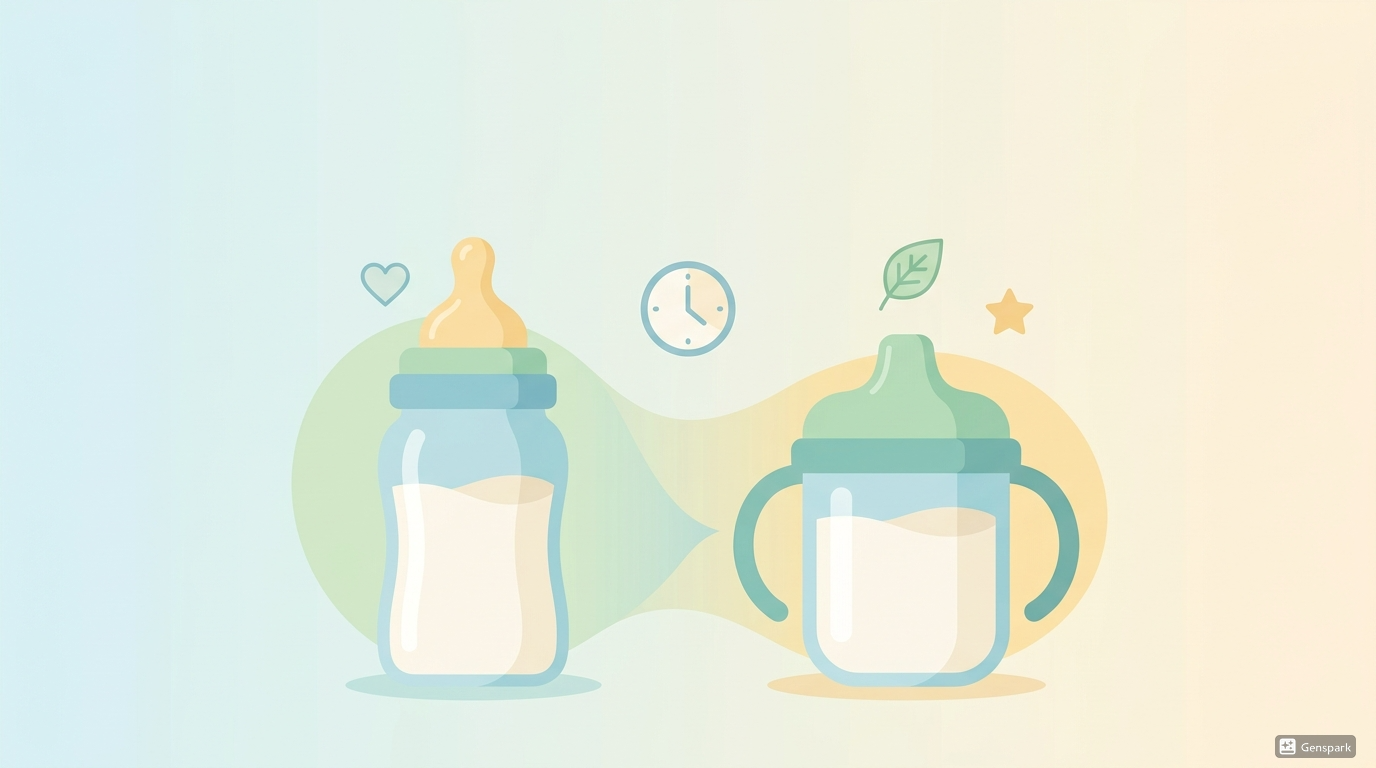
🍼➡️🥛 How to Go From Formula to Whole Milk: A Gentle, Parent-Friendly Guide
🥛 Quick Answer: How Do You Transition From Formula to Whole Milk?
MOTHERS MILK IS BEST FOR YOUR BABY
To go from formula to whole milk, most babies should start the transition at 12 months old, not earlier. Begin by replacing one formula feeding a day with pasteurized whole milk, preferably in a cup rather than a bottle. Increase slowly over several days or weeks while making sure your child is eating enough solid food and iron-rich foods. For most toddlers ages 12–24 months, whole milk is recommended, and intake is generally best kept around 16 ounces a day, while avoiding regularly going over 24 ounces because too much milk can crowd out other nutrients, especially iron. CDC HealthyChildren.org KidsHealth
🎂 The Formula-to-Whole-Milk Transition Can Feel Bigger Than It Sounds
There’s something emotional about that first birthday.
One day, you’re measuring scoops of formula, sterilizing bottles, and planning feedings around naps. Then suddenly, everyone starts saying, “Now you can switch to whole milk.”
And as simple as that sounds, most parents still pause.
How exactly do you do it? All at once? Slowly? What if your toddler refuses it? What if whole milk causes constipation or tummy trouble? And how much is too much?
The good news is this: the transition from formula to whole milk is usually simple when done gradually and at the right age. It doesn’t have to be dramatic. In fact, for many families, it works best when it feels almost boring — a slow, steady shift rather than a big nutritional event.
This guide walks you through when to switch from formula to whole milk, how to do it step by step, how much milk a 1-year-old needs, and what mistakes to avoid, all backed by trusted pediatric guidance.
⏰ When Can Babies Switch From Formula to Whole Milk?
Most babies can transition from formula to whole milk at 12 months old.
That timing matters. Before age 1, cow’s milk should not replace breast milk or infant formula as a main drink because it does not provide the right balance of nutrients for infants. It also contains high levels of protein and minerals that can be hard on a baby’s kidneys and may increase the risk of intestinal bleeding and iron deficiency in younger babies. CDC HealthyChildren.org
So if you’ve been wondering, “Can I give my 11-month-old whole milk?” the safest answer is: not as a regular main drink yet.
Some pediatric guidance notes that a very small amount in a cup close to the first birthday may help some babies practice the taste, but the full switch should generally happen at about 12 months and with your pediatrician’s guidance if your child was premature, has growth concerns, or has a dairy allergy risk. CHOP
🧠 Why Whole Milk Instead of Low-Fat Milk?
This is one of the most common parent questions.
Babies and young toddlers need dietary fat for growth and brain development. That’s why whole milk is usually recommended from 12 to 24 months rather than skim or low-fat milk. CDC HealthyChildren.org
In plain language: this isn’t the stage to go “light.”
Unless your pediatrician suggests otherwise because of a specific medical or family history reason, whole milk is the standard choice for most 1-year-olds.
✅ Signs Your Baby May Be Ready for the Switch
Age matters most, but readiness matters too.
Your toddler may be ready to move from formula to whole milk if they:
- are around 12 months old
- are eating a variety of solid foods
- can drink from a sippy cup or straw cup
- no longer rely on formula as their main source of calories
- tolerate other dairy foods like yogurt or cheese, if already introduced
The big picture is this: by age 1, milk becomes more of a beverage and nutrient support, while food starts doing more of the heavy lifting. CHOP NHS
🔄 How to Go From Formula to Whole Milk Step by Step
Here’s the easiest way to approach the formula-to-cow’s-milk transition.
1. Start after the first birthday
Wait until your baby is 12 months old unless your pediatrician gives you a different plan. CDC
2. Replace one feeding at a time
Start with one formula feeding a day and offer whole milk instead. Midday often works better than bedtime because bedtime bottles can be emotionally harder to drop.
3. Use a cup when possible
Many pediatric sources recommend using this transition as a chance to move away from bottles and toward a sippy cup or straw cup. That helps reduce bottle dependence and may lower the risk of milk-bottle cavities. CHOP KidsHealth
4. Increase slowly
Every few days, replace another formula feeding with milk. Some toddlers adapt in three days. Others take three weeks. Both are normal.
5. Try mixing if needed
If your child rejects the taste, you can mix prepared formula with whole milk and gradually change the ratio over time. One practical method is to begin with more formula than milk, then slowly increase the milk. CHOP specifically suggests mixing equal parts whole milk with prepared formula or breast milk if needed — but not mixing powdered formula directly into milk instead of water. CHOP
6. Keep meals solid-food focused
At this age, your child should be getting nutrition from meals and snacks too. Milk should support the diet, not replace it. CDC
📅 A Simple 7-Day Transition Schedule
If you want a practical rhythm, here’s a gentle example:
Day 1–2: Replace 1 formula feeding with whole milk
Day 3–4: Replace 2 formula feedings
Day 5–6: Replace 3 formula feedings
Day 7+: Offer whole milk for all remaining milk feeds
If your toddler is sensitive to change, stretch this across two weeks instead of one.
There’s no prize for doing it fast. The goal is a smooth transition, not a dramatic one.
🥛 How Much Whole Milk Should a 1-Year-Old Drink?
This is where many parents accidentally overdo it.
For children 12 to 24 months, a common recommendation is about 16 ounces a day (2 cups) of whole milk. Some guidance allows a broader range, but experts consistently warn against routinely exceeding 24 ounces a day, because too much milk can reduce appetite for solid foods and increase the risk of iron deficiency. HealthyChildren.org KidsHealth HealthyChildren.org
A helpful way to think about it:
- Around 16 oz/day = sweet spot for many toddlers
- Up to 24 oz/day = usually the upper limit
- More than 24 oz/day = can crowd out iron-rich foods
This matters because once formula is gone, your toddler also loses that built-in iron fortification. So if milk goes up too much and solids go down, iron intake can quietly slip.
🍽️ Best Foods to Offer During the Transition
When going from formula to whole milk, focus on foods that support growth and iron intake.
Good options include:
- scrambled eggs
- beans and lentils
- shredded chicken
- soft meatballs
- oatmeal
- yogurt
- avocado
- sweet potatoes
- iron-fortified cereal
- fruit paired with meals
The goal is to help your toddler shift from “liquid nutrition” to “food-first nutrition.”
That’s one reason the transition can feel messy at first. Your child is not just changing drinks. They’re growing into a whole new eating pattern.
⚠️ Common Formula-to-Whole-Milk Mistakes to Avoid
Switching before 12 months
This is the biggest mistake. Formula or breast milk should remain the main drink until about age 1. CDC
Offering too much milk
Too much whole milk can reduce appetite for meals and may contribute to iron deficiency. KidsHealth
Using milk as a meal replacement
Milk is important, but after age 1 it should not crowd out varied solid foods. CHOP
Sticking with bottles too long
Transitioning to a cup around this stage is generally encouraged. KidsHealth
Choosing sweetened milk drinks
Flavored milks and sugary drinks are not recommended for young children. Plain, unsweetened milk is the better choice. HealthyChildren.org
Assuming all plant milks are equal
Most plant-based milks are not nutritionally equivalent to whole cow’s milk for toddlers. If dairy isn’t an option, fortified soy milk is usually the closest alternative, but you should discuss it with your pediatrician. CDC HealthyChildren.org
😬 What If My Toddler Refuses Whole Milk?
This is incredibly common.
Some babies love the switch immediately. Others take one sip, make a dramatic face, and act like you’ve betrayed the family.
If your toddler refuses whole milk:
- serve it cold if formula was served cool
- try it in a different cup
- offer it with meals, not when they’re overtired
- mix it gradually with prepared formula
- stay calm and avoid turning it into a power struggle
Remember, the goal isn’t to make whole milk feel like a battle.
And also — your child does not need to become obsessed with milk. If they eat yogurt, cheese, and a balanced diet, your pediatrician may be perfectly comfortable with moderate milk intake rather than huge amounts. CDC NHS
🩺 When to Talk to Your Pediatrician
Check in with your pediatrician if your child:
- was born prematurely
- has poor weight gain
- has a cow’s milk allergy or suspected intolerance
- gets severe constipation, vomiting, rash, or ongoing diarrhea after milk
- refuses both milk and most solids
- drinks very large amounts of milk but eats poorly
- has a history of anemia
A standard transition is common. But some toddlers need a personalized plan, and that’s completely normal.
🌟 Final Thoughts
Learning how to go from formula to whole milk is really about learning how your baby becomes a toddler.
It’s not just a milk change. It’s a routine change. A feeding change. A comfort change. Sometimes even a parenting identity change.
So if the process feels weirdly emotional or more complicated than expected, you’re not doing anything wrong.
Start at the right age. Go slowly. Use whole milk. Keep portions reasonable. Focus on meals, iron-rich foods, and cups over bottles. And give your child a little time to adjust.
In most cases, the transition doesn’t need to be perfect. It just needs to be gentle, steady, and age-appropriate.
❓10 FAQs About Going From Formula to Whole Milk
1) Can I switch from formula to whole milk overnight?
You can, but many toddlers do better with a gradual transition. Nutritionally, once your child is around 12 months old, whole milk can replace formula. Emotionally and practically, though, toddlers often resist sudden changes in taste, temperature, and routine. That’s why many parents replace one bottle or feed at a time over several days. If your child is flexible, an overnight switch may work. If they’re more sensitive, gradual is usually easier on everyone. CDC CHOP
2) What age should I stop formula and start whole milk?
Most babies should stop using infant formula as their main drink and begin whole milk at 12 months old. Before that, cow’s milk should not be used as a regular drink because it does not meet an infant’s nutritional needs and may be hard on the kidneys while also increasing iron-related risks. If your baby was premature or has special medical needs, ask your pediatrician whether the schedule should be adjusted. CDC HealthyChildren.org
3) How much whole milk should a 12-month-old drink each day?
For many toddlers, about 16 ounces a day of whole milk is a practical target. Some children may drink somewhat more, but regularly going above 24 ounces per day is usually discouraged because it can reduce hunger for solid foods and may contribute to iron deficiency if the rest of the diet is not strong in iron-rich foods. Milk should support meals, not replace them. HealthyChildren.org KidsHealth
3) How much whole milk should a 12-month-old drink each day?
For many toddlers, about 16 ounces a day of whole milk is a practical target. Some children may drink somewhat more, but regularly going above 24 ounces per day is usually discouraged because it can reduce hunger for solid foods and may contribute to iron deficiency if the rest of the diet is not strong in iron-rich foods. Milk should support meals, not replace them. HealthyChildren.org KidsHealth
4) Do I have to give whole milk, or can I use 2% milk?
For most children between 12 and 24 months, whole milk is the standard recommendation because toddlers need fat for growth and brain development. Some children may be advised to use reduced-fat milk if there are special health or family history concerns, such as obesity risk or cardiovascular issues, but that decision should come from a pediatrician rather than from guesswork. CDC HealthyChildren.org
5) What if my baby hates the taste of whole milk?
That happens a lot, especially if your baby has had the same formula flavor for months. You can try slowly mixing whole milk with prepared formula and increasing the milk ratio over time. Offering milk in a straw cup or open cup instead of the usual bottle can also help because the experience feels new instead of “wrong.” Sometimes toddlers refuse milk for a week and then suddenly accept it with no drama. Patience usually works better than pressure. CHOP
6) Can whole milk cause constipation or stomach upset?
Some toddlers do notice digestive changes during the transition, especially if they start drinking large amounts of milk quickly. Mild constipation can happen if milk intake rises while fiber and water intake stay low. Offering fruits, vegetables, water, and balanced meals often helps. However, if your child develops persistent vomiting, diarrhea, rash, wheezing, blood in stool, or significant discomfort, talk to your pediatrician because that may point to intolerance, allergy, or another issue that needs medical review.
7) Is toddler formula better than whole milk?
In most cases, no. Many experts say toddler milks are unnecessary for healthy children who are eating a balanced diet. After age 1, most toddlers can get what they need from whole milk, water, and regular food. Some toddler drinks also contain added sugars or are marketed in a way that makes parents think they are essential when they are not. If your child has growth or feeding issues, your pediatrician may recommend something specific, but for the average toddler, whole milk is usually the simpler choice. HealthyChildren.org KidsHealth
8) What if my child can’t have dairy?
If dairy is not an option, you should talk with your pediatrician about the best substitute. Not all plant milks are nutritionally equal. According to pediatric guidance, fortified soy milk is usually the closest alternative because many other plant-based drinks contain less protein and varying nutrient levels. Whatever option you choose should ideally be unsweetened and fortified with calcium and vitamin D. CDC HealthyChildren.org
9) Should I stop bottles when I switch to whole milk?
This is often the best time to start. Many pediatric experts recommend moving from bottles to a cup around the first birthday. That doesn’t mean it has to happen in one emotional afternoon, but the transition to whole milk naturally creates a good opening to phase bottles out. Start with the least emotionally important bottle first, often midday, and leave the bedtime routine for later if needed. CHOP KidsHealth
10) What foods should I focus on once formula is gone?
Once formula is removed, solid foods become even more important. Focus on iron-rich foods like beans, lentils, eggs, fortified cereals, meat, poultry, and fish, along with fruits, vegetables, dairy foods, and healthy fats. This is especially important because formula often contains iron, and whole milk does not provide that same safety net. A toddler who drinks less formula but eats well is usually moving in exactly the right direction. KidsHealth NHS