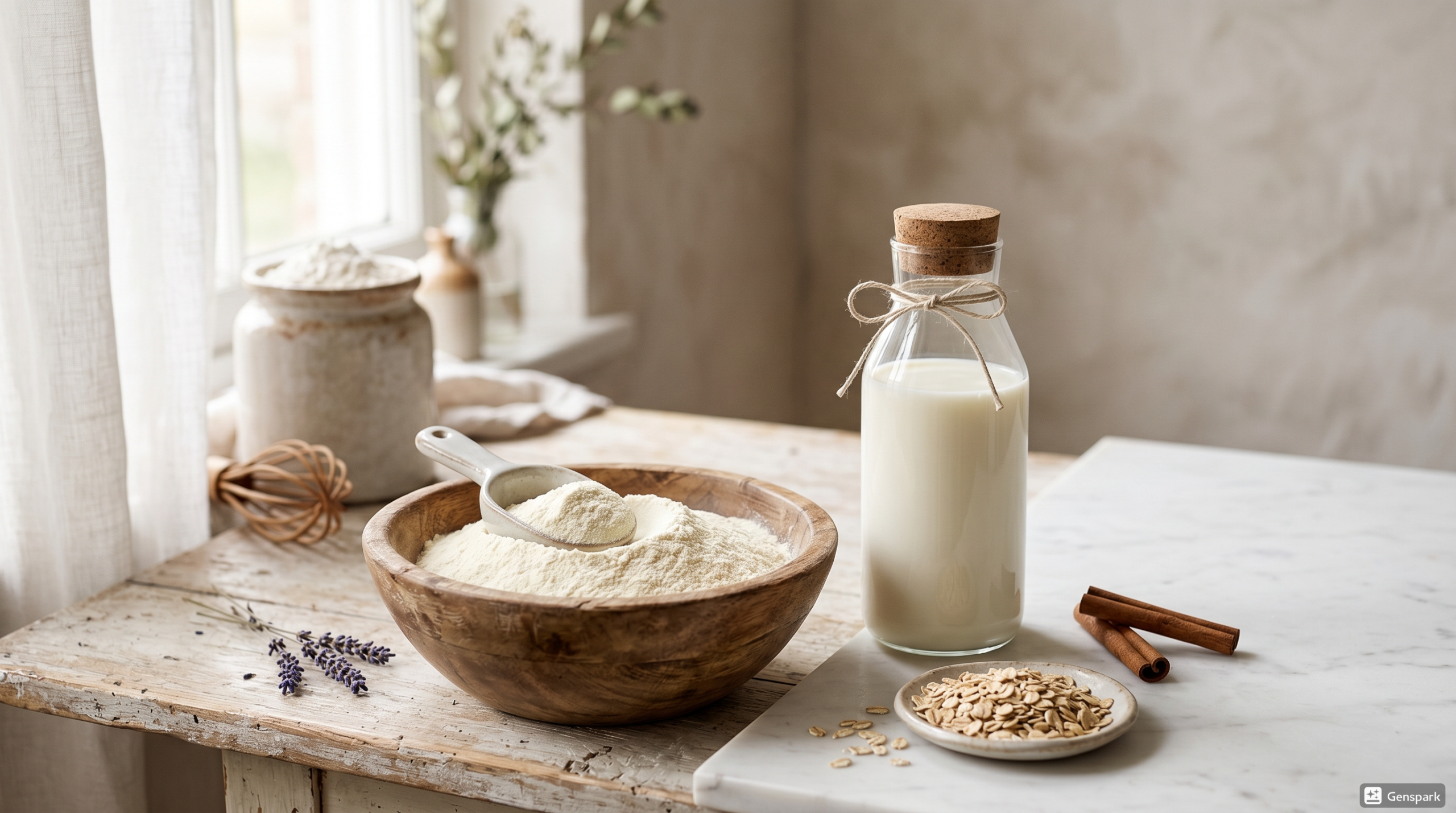
🐐 Goat Milk Powder: Benefits, Uses, Nutrition, and What to Know Before You Buy
If you’ve been seeing goat milk powder show up in health stores, baby aisles, recipe blogs, or wellness discussions, you’re not alone.
A lot of people are curious about it for the same simple reason: they want a milk option that feels a little gentler, a little more versatile, and maybe a little easier on the stomach.
And honestly, that curiosity makes sense.
Goat milk powder sits in an interesting space. It’s familiar enough to feel practical, but different enough to spark questions. Is it better than cow milk powder? Is it easier to digest? Can adults drink it? Is it safe for babies? Does it actually offer nutritional benefits, or is it just another trendy pantry product?
This guide answers all of that in plain English.
By the end, you’ll know what goat milk powder is, who it may work well for, where it shines, where it doesn’t, and how to choose a product that actually matches your needs.
⭐ Featured Snippet Answer: What Is Goat Milk Powder?
Goat milk powder is dehydrated goat milk made by removing water from fresh goat milk. It can be reconstituted with water and used as a beverage, in cooking, baking, smoothies, and some specialized nutrition products. Many people choose it because goat milk protein is highly digestible, and retail goat milk has been reported to contain slightly less lactose than cow milk, although it is not lactose-free. Source Source
🌿 Why People Are Paying Attention to Goat Milk
Let’s start with the human side of this.
Most people don’t go looking for goat milk powder because they’re bored. They usually go looking because something isn’t working.
Maybe regular milk feels heavy.
Maybe they want a shelf-stable dairy option for travel, emergency storage, camping, or everyday convenience.
Maybe they’re a parent researching alternatives. Maybe they bake. Maybe they just want to try something less processed than ultra-flavored creamers and powdered drink mixes.
Goat milk powder appeals because it feels practical. You can store it longer than fresh milk. You can use only what you need. And for some people, it seems easier to tolerate than standard cow milk products.
That said, “different” does not always mean “better for everyone.” And that’s where the real conversation begins.
🥛 What Makes Goat Milk Powder Different From Cow Milk Powder?
Goat milk and cow milk are not identical. Their protein structure, fat profile, and mineral balance differ in meaningful ways.
One retail comparison found that goat milk had lower concentrations of protein, casein, and lactose than cow milk, while showing differences in certain minerals and fatty acids. Source
That matters because these differences shape how the milk behaves in the body and in the kitchen.
For example, goat milk is often described as creamy but slightly tangier in taste. Some people love that mild earthy note. Others need a few tries before it grows on them.
Nutritionally, goat milk is still a real dairy product. It provides protein, minerals, and energy. Research reviews also describe goat milk proteins as highly nutritious and rich in essential amino acids. Source
So no, it’s not a miracle food.
But it’s also not just a niche product. It has real nutritional value and real use cases.
✅ Potential Benefits of Goat Milk Powder
1. It’s convenient and shelf-stable
This is the underrated benefit.
Fresh milk spoils fast. Goat milk powder doesn’t. That makes it useful for busy homes, travelers, campers, bakers, and anyone who wants a dairy ingredient on hand without constant refrigeration.
You scoop, mix, and use what you need.
No waste. No last-minute grocery run.
2. Goat milk protein is highly digestible
One study on spray-dried goat milk powder found a true ileal indispensable amino acid digestibility of about 94%, which places it in the category of high-quality, highly digestible protein. Source
That doesn’t mean every person will digest it perfectly.
But it does help explain why goat milk powder is often discussed as a gentler dairy choice.
3. It contains valuable nutrients
Research reviews describe goat milk as a good source of protein, minerals, and vitamins, with potential benefits linked to mineral availability and overall nutrition. Source
Depending on the brand, you may also see fortification with vitamins like D, A, or folate. Always check the label, because formulations vary.
4. It may work well in many recipes
Goat milk powder is not just for drinking.
It works in:
- smoothies
- tea and coffee
- soups
- sauces
- mashed potatoes
- pancakes
- bread
- desserts
- homemade yogurt mixes
- high-protein snacks
That flexibility is a big reason people keep buying it.
5. It may suit people exploring alternatives to standard dairy
Some consumers choose powdered goat milk because they feel better on it than on standard cow milk products.
That said, there’s an important nuance here: goat milk is not proven to be less allergenic than cow milk overall, and people with true cow’s milk protein allergy may still react. Source
So it can be a useful alternative for some people, but not a universal fix.
⚠️ Important Things Goat Milk Powder Does Not Do
This part matters because internet nutrition advice can get messy fast.
It is not lactose-free
Goat milk may contain somewhat less lactose than cow milk in some comparisons, but it still contains lactose. Source
So if someone is highly lactose intolerant, goat milk powder may still trigger symptoms.
It is not automatically safe for infants in plain form
This is one of the biggest misconceptions online.
The FDA states that routine infant formulas for healthy, full-term infants may contain cow’s milk, goat’s milk, or soy. But that refers to properly formulated infant formula products, not plain goat milk or homemade mixtures. The FDA also warns caregivers not to feed homemade infant formula and stresses proper preparation and safe handling of powdered formula. Source
A PubMed review further notes that unmodified goat’s milk is not suitable for infants, partly because of nutritional imbalance concerns such as low folate. Source
So if you’re shopping for a baby, plain goat milk powder and goat milk-based infant formula are not the same thing.
It is not a guaranteed allergy solution
This deserves repeating.
If someone has a true milk protein allergy, goat milk may not be the safe shortcut people assume it is. Research reviews explicitly say goat’s milk is not less allergenic in a clear, universal way. Source
🧠 Who Might Like Goat Milk Powder Most?
Goat milk powder can be a strong fit for:
- adults who want a shelf-stable milk option
- people who enjoy experimenting with alternative dairy products
- home bakers
- smoothie drinkers
- travelers and campers
- households wanting emergency pantry staples
- people who prefer the taste and texture of goat dairy
It may also interest parents researching goat milk-based nutrition products, but infant feeding decisions should always be matched to pediatric guidance and product labeling.
🛒 How to Choose the Best Goat Milk Powder
Not all powdered goat milk products are equal.
Here’s what to look for.
🧾 Read the ingredient list first
The shorter, the better.
If you want straightforward powdered goat milk, look for products with minimal additives. Some are just goat milk. Others include sweeteners, stabilizers, vegetable oils, probiotics, or added vitamins.
None of those are automatically bad. They just need to match your goal.
🥄 Decide whether you want whole or nonfat
Whole goat milk powder tends to be richer and creamier.
Nonfat versions are leaner and may store differently, but they often taste less full-bodied.
If you want it for coffee, hot chocolate, or baking, whole powder usually gives a more satisfying texture.
👶 If buying for a baby, check the label carefully
This cannot be casual.
If it does not clearly say it is an infant formula designed for infants, do not assume it can replace one. Use products intended for your child’s age and follow medical guidance. Source
🧊 Check storage instructions
Some powders are best kept tightly sealed in a cool, dry place. Others may need refrigeration after opening. Some perform better when used quickly after unsealing.
🌎 Consider sourcing and testing
Look for brands that are transparent about:
- origin of milk
- processing method
- quality control
- third-party testing
- fortification details
- allergen statements
Trust grows when labels answer questions before you even ask them.
🍽️ Best Ways to Use Goat Milk Powder at Home
One of the nicest things about goat milk powder is that it earns its place in the pantry.
You can stir it into oatmeal for a creamier breakfast. Blend it into smoothies for extra protein and body. Use it in pancake batter, muffins, creamy soups, white sauces, and even homemade dessert recipes.
Some people also mix small batches instead of opening a full carton of fresh milk they may not finish.
That’s where the product really shines in real life. It’s not just nutritional. It’s practical.
📊 Quick Comparison: Goat Milk Powder vs Cow Milk Powder
| Feature | Goat Milk Powder | Cow Milk Powder |
|---|---|---|
| Taste | Slightly tangy, earthy, creamy | Familiar, mild, neutral |
| Lactose | Slightly lower in some comparisons, but still present | Higher in some comparisons |
| Protein digestibility | High-quality, highly digestible protein reported | Also high-quality dairy protein |
| Allergy safety | Not automatically safer for milk allergy | Common dairy allergen |
| Kitchen use | Great for drinks, baking, sauces | Very versatile, widely used |
| Infant use | Only in properly formulated infant products | Only in properly formulated infant products |
Nutrient differences vary by brand and processing method, so labels still matter more than assumptions. Source Source
🏆 Final Take
Goat milk powder is one of those products that quietly makes sense once you understand it.
It’s convenient. It’s versatile. It offers real nutrition. And for some people, it may feel easier to work into daily life than fresh milk.
But the smartest approach is balanced, not trendy.
Goat milk powder is not lactose-free, not automatically hypoallergenic, and not a substitute for infant formula unless it is specifically formulated and labeled as one. Source Source
If you’re shopping for yourself, it can be a genuinely useful pantry staple.
If you’re shopping for a child, read labels carefully and lean on evidence, not internet myths.
That’s usually where the best nutrition decisions happen: not in hype, but in clarity.
❓10 FAQs About Goat Milk Powder
1) Is goat milk powder easier to digest than cow milk powder?
For many people, it may feel easier to digest, and there is some science behind why that idea exists. Goat milk protein has been shown to be highly digestible, with one study reporting very high amino acid digestibility for spray-dried goat milk powder. Also, goat milk differs from cow milk in protein, casein, and lactose composition. Source Source
That said, “easier to digest” is not the same as “problem-free.” If your issue is lactose intolerance, goat milk powder may still cause symptoms because it still contains lactose. If your issue is milk protein allergy, goat milk is not a guaranteed safe alternative either. So yes, some people tolerate it better, but individual response matters more than online claims.
2) Is goat milk powder good for babies?
It depends entirely on the product.
If the product is a properly formulated infant formula, goat milk can be used as a protein source in routine formulas for healthy, full-term infants. The FDA specifically notes that routine formulas may contain cow’s milk, goat’s milk, or soy. Source
But plain goat milk powder is a different story. Unmodified goat’s milk is not considered suitable for infants because of nutritional issues, including low folate. Homemade infant formula is also strongly discouraged by the FDA. So parents should never assume any goat milk powder is baby-safe unless it is clearly sold and labeled as infant formula. Source Source
3) Does goat milk powder contain lactose?
Yes, it does.
A retail milk comparison found goat milk had lower lactose than cow milk, but it still contained lactose. Source
That means goat milk powder may be a better experience for some people, but it is not appropriate to call it lactose-free. If you are highly sensitive to lactose, you should still approach it carefully, test small amounts if medically appropriate, and choose based on your own tolerance or medical advice.
4) Is goat milk powder healthier than cow milk powder?
Not in a simple, one-size-fits-all way.
Goat milk and cow milk each have strengths. Goat milk differs in protein, lactose, minerals, and fatty acid profile, and some people prefer it because of digestibility or taste. But a PubMed review concluded that goat’s milk has no clear nutritional advantage over cow’s milk overall and is not less allergenic in a blanket sense. Source
So the better question is not “Which is healthier?” but “Which one fits your body, your goals, and your routine better?” That’s a much more useful way to shop.
5) Can adults drink goat milk powder every day?
In general, many adults use goat milk powder as part of their daily diet just like other dairy powders. It can be mixed into drinks, recipes, and protein-rich meals.
The key is moderation, label-reading, and personal tolerance. If you do well with dairy and enjoy the flavor, it can be a practical daily ingredient. But if you have lactose intolerance, dairy allergy, kidney-related dietary restrictions, or other medical concerns, daily use should be guided by your health needs rather than by marketing claims.
6) Does goat milk powder help with milk allergy?
Not reliably.
This is one of the most misunderstood points online. Goat milk is often marketed casually as if it were a safe alternative for everyone with cow milk issues. But research reviews say goat milk is not less allergenic in a clear universal sense. Source
If someone has a true cow’s milk protein allergy, there may be cross-reactivity. In other words, the body may still react. So goat milk powder should never be treated as a do-it-yourself allergy workaround without professional guidance.
7) What does goat milk powder taste like?
Most people describe it as creamy, slightly tangy, and a bit more distinctive than standard cow milk.
Some brands taste mild and clean. Others have a stronger “goaty” note depending on sourcing, processing, freshness, and fat content. Whole goat milk powder usually tastes richer than nonfat versions.
If you’re trying it for the first time, it’s smart to start by mixing it into smoothies, oatmeal, coffee, or baking recipes before drinking a full glass straight.
8) How do you store goat milk powder after opening?
Storage depends on the brand, but the basic rules are simple: keep it sealed, dry, cool, and away from humidity.
Use a clean scoop, close the bag or container tightly, and follow the package instructions exactly. Some products are stable at room temperature in a pantry. Others may recommend refrigeration after opening. Moisture is the biggest enemy, because it affects texture, freshness, and shelf life.
9) Can you cook and bake with goat milk powder?
Yes, and that’s one of its best uses.
Goat milk powder works well in baked goods, sauces, soups, mashed potatoes, pancake batter, smoothies, and homemade drink mixes. It’s especially useful when you want the richness of milk without needing to keep fresh milk on hand.
Because the flavor can be slightly tangier than cow milk, it works beautifully in recipes where creaminess matters and that little bit of character is welcome.
10) How do I choose a high-quality goat milk powder?
If you want everyday drinking milk, choose a simple product with a clean ingredient list and a taste profile you’ll actually enjoy. If you want it for baking, whole milk powder is often more satisfying. If you’re buying for a child, age labeling and intended use matter far more than marketing.
Then check for sourcing transparency, quality testing, nutrition details, fortification, storage instructions, and allergen labeling. A good goat milk powder should make you feel informed before it makes you feel impressed.
1 thought on “ Goat Milk Powder: Benefits, Uses, Nutrition, and What to Know Before You Buy”